Categories
Uncategorized

Experience the thrill of Casino Magic Win, where every spin brings you closer to enchantment. Join now for your magical gaming adventure!

Welcome to the world of Casino Magic Win, where every moment is infused with excitement and the possibility of untold riches. If you’re longing for an escape into a realm of sparkling lights, thrilling games, and the chance to win big, look no further. Casino Magic Win Magic Win beckons you to discover the magic that awaits! As the gambling industry continues to evolve, online casinos have become increasingly popular, providing players with unparalleled convenience and thrilling entertainment. So, what makes Casino Magic Win a must-visit destination for gaming enthusiasts?

Introduction to Casino Magic Win

Casino Magic Win is a premier online gaming platform that offers an array of games designed to captivate players of all skills and preferences. From classic table games like blackjack and poker to an exciting selection of slot games, the casino provides an immersive experience that evokes the thrill of a physical casino—all from the comfort of your own home.

Variety of Games

One of the most compelling features of Casino Magic Win is its extensive library of games. Players will find countless options that ensure there’s something for everyone. Slots, in particular, are a highlight, featuring themes that range from fantasy and adventure to classic fruit machines. Progressive jackpot slots offer the chance to win life-changing sums of money, while video slots showcase stunning graphics and captivating storylines.

Table game enthusiasts will appreciate the wide selection of blackjack, roulette, and baccarat options. Whether you prefer the strategic gameplay of poker or the fast-paced action of roulette, Casino Magic Win has it all. Additionally, the live dealer games create an authentic casino ambiance, allowing players to interact with professional dealers in real-time.

User-Friendly Interface

Navigating Casino Magic Win is a breeze, thanks to its user-friendly interface. Whether you are a seasoned player or new to online gaming, you’ll find it easy to browse through the games and access the features available. The website is designed to be visually appealing, with vibrant colors and engaging graphics. This enhances the overall gaming experience and keeps players coming back for more.

Bonuses and Promotions

Casino Magic Win values its players and offers a plethora of bonuses and promotions. New members can take advantage of welcome bonuses that often include matched deposits or free spins. Regular players are rewarded through loyalty programs that provide ongoing promotions, cashback offers, and exclusive access to special events. These incentives enhance the gaming experience and give players more opportunities to win.

Security and Fairness

Security is a top priority at Casino Magic Win. The platform employs advanced encryption technology to safeguard players’ personal and financial information, ensuring a safe and secure gaming environment. Additionally, the casino is licensed and regulated, meaning that it adheres to strict standards of fairness and transparency. Players can rest assured that they are engaging in a fair gaming experience where the outcomes are determined by random number generators.

Customer Support

Quality customer support is another hallmark of Casino Magic Win. The platform offers multiple channels for assistance, including live chat, email, and phone support. This ensures that players can get help whenever they need it, whether they have questions about a game, need assistance with a withdrawal, or require guidance on any other aspect of the gaming experience. The support team is knowledgeable and friendly, ready to provide prompt solutions.

Mobile Gaming

In today’s fast-paced world, mobile accessibility is essential. Casino Magic Win recognizes this need and has optimized its website for mobile devices. Players can enjoy their favorite games on smartphones and tablets without sacrificing quality. The mobile version retains all the features of the desktop site, allowing for seamless gaming on the go. With this convenience, players never have to miss out on the excitement, no matter where they are.

The Magic of Responsible Gaming

Casino Magic Win is committed to promoting responsible gaming. They provide various tools and resources to help players control their gaming habits, including deposit limits, self-exclusion options, and access to support organizations. The casino aims to create a safe and enjoyable environment for all players, emphasizing the importance of playing responsibly.

Conclusion: Join the Magic Today!

In conclusion, Casino Magic Win is an enchanting online gaming destination that offers something for everyone. With a vast array of games, enticing bonuses, a user-friendly interface, and a commitment to player safety, it’s easy to see why Casino Magic Win is a favorite among gaming enthusiasts. Whether you’re a high roller or a casual player, the magic awaits you. Don’t miss your chance to experience the wonder and excitement that Casino Magic Win has to offer. Sign up now and embark on your magical gaming adventure!

Categories
Uncategorized

Smart Contract Interaction Is the New DeFi Risk Boundary

You are moving funds on a decentralized exchange before work, comparing a quoted price with the amount you expect to receive. The interface looks familiar: connect a wallet, approve a token, confirm a swap. Yet the decisive event is not the button click. It is the set of instructions sent to a smart contract, the permissions attached to those instructions, and the state of several blockchains at the moment the transaction is executed. A transaction can therefore be valid, signed, and mined while still producing an outcome the user did not intend.

This is the central shift in DeFi. Wallets were once treated mainly as key storage and transaction broadcasters. Increasingly, they are becoming interpretation and risk-analysis layers between people and programmable financial systems. That change matters for US users navigating multiple EVM networks, unfamiliar dApps, token approvals, bridges, lending markets, and rapidly changing contract deployments.

Wallet interface illustrating how users review smart contract actions before interacting with DeFi protocols

From sending transactions to interpreting intent

Early Ethereum usage encouraged a simple mental model: an address sends an asset to another address. DeFi made that model inadequate. A single transaction may call a router, which calls a liquidity pool, which transfers tokens, updates accounting records, and invokes another contract. The user sees “swap,” but the blockchain processes a sequence of machine-readable operations.

A smart contract is code deployed on a blockchain. A DeFi protocol is usually a collection of such contracts that coordinate rules for trading, lending, borrowing, staking, or derivatives. A dApp, or decentralized application, is the user-facing software that helps people form and sign those interactions. These layers are related but not identical. The dApp may be compromised or poorly designed even when the underlying protocol is sound; a protocol may be audited yet still expose a risky function; and a wallet may accurately display a transaction without being able to guarantee the contract’s economic behavior.

The useful question is therefore not simply, “Is this dApp legitimate?” It is: “What will this exact transaction cause, under the current chain state, and what authority will I give the contract afterward?” That question separates identity-level trust from transaction-level analysis.

Why transaction simulation changes the decision

Transaction simulation attempts to execute a proposed transaction against a representation of current blockchain state before the user signs it. Depending on the implementation and network conditions, the resulting preview may reveal expected token transfers, approvals, balance changes, contract failures, or suspicious recipients. This is valuable because raw calldata—the encoded instructions sent to a contract—is not written for ordinary reading.

Simulation creates a practical bridge between code execution and human judgment. Instead of relying only on a dApp’s labels, the user can inspect consequences: which asset leaves the wallet, which asset arrives, whether an approval grants a narrow amount or effectively unlimited spending authority, and whether the transaction touches an unexpected contract.

There is an important limitation. A simulation is a conditional forecast, not a guarantee. The blockchain state can change between simulation and inclusion. A liquidity pool may move, a quote may expire, a contract may depend on block timestamp or transaction ordering, or a malicious contract may behave differently under certain conditions. Network-specific support can also vary. Simulation is best understood as a strong warning and comprehension tool, not an oracle of future truth.

This distinction is easy to miss. A green simulation does not mean an investment is safe, a token is valuable, or a protocol is solvent. It means that under the tested assumptions, the transaction produced an expected execution result. Economic risk remains separate from execution risk.

Approvals reveal the hidden persistence of DeFi access

One of the most consequential concepts in smart contract interaction is the token allowance. When a user approves a contract to spend an ERC-20 token, the permission can remain active after the immediate swap or deposit is complete. If the allowance is broader than necessary and the approved contract later becomes vulnerable or malicious, the permission may create a path to future loss.

This is why “I only signed one transaction” can be misleading. The first transaction may establish a durable capability rather than transfer funds immediately. A wallet that distinguishes an approval from a direct transfer helps users reason about persistence: what authority was granted, to whom, for which token, and for how much?

Limited approvals reduce exposure but can introduce friction and additional transactions. Unlimited approvals are convenient and may reduce repeated signing, yet they enlarge the consequences of a compromised spender. Neither choice is universally correct. A user interacting frequently with a well-understood protocol may accept a different operational trade-off from someone testing a new dApp with a large balance in the same wallet.

A reusable rule is to treat approvals as access-control decisions, not routine pop-ups. Review them separately from the financial strategy. Periodically revoke permissions that are no longer needed, while recognizing that revocation itself is an on-chain transaction with a network fee and may not address every form of contract risk.

dApp integration is a trust boundary, not a convenience feature

Wallet integration allows a dApp to request account access, identify a network, prepare transactions, and ask the user to sign them. That convenience can conceal a division of responsibility. The dApp chooses what to construct; the wallet controls the signing interface; the blockchain determines what executes. A failure in any layer can produce a harmful result.

For this reason, users should verify the network and contract context rather than relying on visual familiarity. A convincing interface can point to a look-alike contract. A legitimate protocol can deploy different contracts across chains. A token symbol can be copied. A transaction can also route through a contract that the user did not notice because the interface compressed several actions into one button.

Advanced wallets such as rabby are useful in this environment when they make chain context, contract interaction, simulation results, and warnings more visible before signing. The value is not that a wallet eliminates judgment. Its value is that it can expose information at the moment when judgment is still possible.

That last point is more important than it sounds. Security warnings have diminishing value after confirmation. A warning placed beside the exact asset change or approval scope is more actionable than a general message that says users should “be careful.” Good interface design turns abstract security advice into a decision about a specific transaction.

A practical framework for reviewing a DeFi transaction

Before signing, examine the interaction in four passes. First, identify the action: swap, supply, borrow, withdraw, bridge, stake, or approval. Second, identify the authority granted: is the contract receiving tokens, permission to spend them, or control over another position? Third, inspect expected outputs and recipients. Fourth, ask what remains true after the transaction finishes.

The fourth question catches risks that a one-screen preview may not. A deposit may create a receipt token with its own risks. A borrow may introduce liquidation exposure. A bridge may leave assets dependent on a separate messaging system. A staking transaction may create an unlocking delay. A successful call can therefore be operationally dangerous without being technically anomalous.

It is also useful to separate three categories of risk:

  • Execution risk: the transaction fails, uses unfavorable conditions, or affects an unexpected asset.
  • Permission risk: an approval or authorization remains available to a contract longer or more broadly than intended.
  • Protocol risk: the underlying code, economic design, oracle assumptions, governance, or dependencies fail.

Simulation primarily helps with the first category and can illuminate the second. It cannot, by itself, resolve the third. This boundary prevents a common mistake: treating a readable transaction preview as a substitute for evaluating the protocol’s design and incentives.

What has changed in the current DeFi wallet

The history of DeFi interfaces is partly a history of abstraction. Early users inspected addresses and function calls directly. Later interfaces made actions easier but often hid the composability that made them powerful. The current direction is a return of detail in a more usable form: wallets increasingly attempt to translate contract behavior into asset movements, permissions, warnings, and likely outcomes.

Recent positioning around Ethereum and EVM support reflects the practical reality that users no longer operate on one chain alone. EVM compatibility makes contract patterns portable, but it does not make every deployment identical. Liquidity, fees, contract versions, bridge assumptions, and token behavior can differ by network. “Same dApp” does not necessarily mean “same risk profile.”

The likely next step, if the technical and interface challenges are solved, is more context-sensitive signing. Wallets could present different levels of scrutiny depending on transaction size, contract history, approval scope, and whether the interaction is familiar or novel. That development would be useful, but it raises a design question: how much automation should a wallet provide before users stop understanding what they are authorizing? The best systems will probably need both fast paths for routine actions and deliberate review for unusual ones.

FAQ

Does transaction simulation guarantee that a DeFi transaction is safe?

No. Simulation can show how a transaction is expected to execute under particular assumptions, but blockchain state can change before inclusion. It also cannot establish that a protocol is solvent, that a token has value, or that a contract will behave safely in every future interaction.

Why should I care about token approvals if I am only making one swap?

An approval may give a contract continuing permission to spend a token. The swap may be completed, but the permission can remain. Review the approved spender and amount, prefer narrower permissions when practical, and revoke unused allowances while remembering that revocation requires another on-chain transaction.

Can a wallet protect me from a malicious DeFi protocol?

A wallet can improve visibility, flag suspicious patterns, and help users understand proposed effects. It cannot replace protocol research or eliminate smart contract, oracle, governance, liquidity, and market risks. Wallet security is one layer in a broader risk-control process.

The most durable lesson is simple but not simplistic: signing is not the same as understanding. Smart contract interaction sits between human intent and deterministic execution, and the gap between those two is where many DeFi losses begin. A capable wallet narrows that gap by showing consequences, permissions, and chain context before authorization. The user still makes the final decision, but better information changes the quality of that decision—and, in a composable financial system, that is a meaningful security improvement.

Categories
Uncategorized

Guida Definitiva alle Scommesse sul Tennis per Principianti: Come Scegliere la Piattaforma Giusta e Sfruttare al Massimo i Programmi di Fedeltà

Il tennis è da sempre uno degli sport più amati sia dal pubblico che dagli scommettitori. La sua struttura a set, la presenza di un calendario prevedibile e la quantità di statistiche disponibili lo rendono particolarmente adatto a chi si avvicina per la prima volta al mondo delle scommesse sportive. Nel novembre 2026 il mercato italiano delle scommesse online è più maturo che mai: le licenze AAMS (ora AAMS‑Italia) garantiscono un ambiente sicuro, mentre i nuovi programmi di fedeltà cercano di trasformare ogni puntata in un vantaggio concreto.

Per un principiante, però, la varietà di piattaforme può risultare travolgente. Non basta iscriversi al primo sito che appare in una ricerca; è fondamentale valutare l’interfaccia mobile, la rapidità dei pagamenti e, soprattutto, la ricchezza dei mercati dedicati al tennis. Allo stesso tempo, i programmi di fedeltà – punti, cashback, scommesse gratuite – possono aumentare il valore del denaro scommesso, ma solo se si comprendono le regole di accumulo e di conversione.

Questa guida offre un percorso passo‑passo: dalla scelta della piattaforma più adatta, passando per le strategie specifiche per ogni superficie, fino alla gestione oculata del bankroll e all’utilizzo intelligente dei bonus live. Leggi attentamente, annota le informazioni più rilevanti e preparati a trasformare la tua passione per il tennis in un’attività di scommessa responsabile e potenzialmente redditizia.

Perché il Tennis è il Perfetto Punto di Partenza per le Scommesse Sportive

Il tennis presenta un formato lineare: un match è diviso in set, ciascuno in game, e le regole non cambiano da torneo a torneo. Questa semplicità riduce la curva di apprendimento rispetto a sport come il calcio, dove le variabili di risultato sono molteplici. Inoltre, il calendario è fissato con anticipo: i tornei del Grande Slam, gli ATP 1000 e gli ATP 250 hanno date note fin dall’inizio dell’anno, consentendo ai scommettitori di pianificare le proprie puntate con largo anticipo.

Le quote sono influenzate da dati statistici facilmente reperibili: percentuale di prime di servizio, record su superficie, confronti testa‑a‑testa. Concentrarsi su match‑up con informazioni di forma recenti spesso permette di individuare opportunità di valore.

Consiglio pro: focalizzati sui match‑up in cui entrambi i giocatori hanno giocato almeno otto partite negli ultimi due mesi; la forma recente è il miglior indicatore di risultato.

Lo sapevi?: il rally medio di un punto su erba è di circa 3‑4 colpi, contro 6‑7 su terra rossa; questa differenza può far oscillare le quote live di pochi punti percentuali.

Segreto del settore: i bookmaker tendono a proporre quote più alte sul primo set, perché gli scommettitori sono più cauti a scommettere sul risultato finale prima di vedere lo svolgimento del match.

Quando si studia la struttura delle quote, è utile dare un’occhiata agli elenchi aggiornati dei migliori casino online legali in Italia per capire in che modo le piattaforme differenziano le loro offerte di benvenuto e i programmi di fedeltà.

Un altro elemento chiave è la disponibilità di scommesse live: i tornei di Wimbledon e del Roland Garros offrono flussi costanti di dati, consentendo di puntare su game‑handicap o su break‑point in tempo reale.

Come Valutare le Piattaforme di Scommesse Tennis‑Specifiche

Scegliere la piattaforma giusta parte dalla verifica della licenza. Un sito con licenza AAMS garantisce che i fondi siano protetti e che le pratiche di gioco siano trasparenti. L’interfaccia mobile deve essere intuitiva: è più facile piazzare una scommessa durante una pausa di un match se l’app presenta menu a tendina chiari e opzioni di “quick bet”.

La varietà di mercati è un altro filtro fondamentale. Oltre al classico “vincitore del match”, le migliori piattaforme offrono set winner, handicap sui game, over/under sui totali di punti e scommesse su “first serve %”. Questa diversificazione consente di trovare valore dove le quote tradizionali sono troppo basse.

Il supporto clienti multilingua, con assistenza in italiano, è cruciale soprattutto per i principianti che possono avere dubbi su bonus, termini di utilizzo o requisiti di rollover. Un servizio reattivo riduce l’ansia e velocizza la risoluzione di eventuali problemi di pagamento.

Consiglio dell’esperto: prima del torneo principale, prova il live betting con puntate di 1 €. Questo ti permette di familiarizzare con la velocità dei cambi di quota e di testare la reattività dell’app senza rischiare somme significative.

Le opzioni di deposito e prelievo devono includere metodi affidabili come PayPal, carte di credito e bonifici bancari, con tempi di elaborazione entro 24 ore. Alcune piattaforme offrono anche soluzioni di pagamento cripto, ma è consigliabile verificare la conformità alle normative AAMS.

Infine, controlla le recensioni su forum dedicati e su siti di riferimento come Ats2020, dove è possibile leggere esperienze di altri utenti senza troppi fronzoli commerciali.

I Programmi di Fedeltà: Che Cosa Sono e Perché Contano

Un programma di fedeltà è un insieme di premi riservati ai giocatori che scommettono regolarmente sulla piattaforma. In pratica, ogni volta che un utente piazza una puntata, accumula punti o ottiene cash‑back, che poi possono essere convertiti in scommesse gratuite, bonus di deposito o upgrade di livello VIP.

Le tipologie più diffuse includono:

  • Punti – 1 € di turnover genera 1 punto; 100 punti spesso equivalgono a una scommessa gratuita da 5 €.
  • Cashback – una percentuale (solitamente 5‑10 %) del turnover perduto viene restituita settimanalmente.
  • Scommesse gratuite – assegnate al raggiungimento di obiettivi mensili, come 10 scommesse su set winner.
  • Livelli VIP – gli utenti che superano una soglia di 5 000 € di turnover annuale accedono a limiti di puntata più alti, assistenza dedicata e inviti a eventi esclusivi.

Questi programmi hanno un impatto diretto sul valore atteso (EV) di ogni puntata: un cashback del 10 % su una scommessa perduta aumenta l’EV di 0,10 €. Inoltre, i punti possono essere spesi in momenti di alta volatilità, riducendo il rischio complessivo del bankroll.

È importante leggere le condizioni di rollover: spesso i bonus devono essere scommessi 5‑10 volte prima di poter essere prelevati. Per i principianti, scegliere un programma con requisiti bassi e un tasso di conversione punti‑in‑credito equo è la strategia più sicura.

Confronto dei Principali Programmi di Fedeltà delle Piattaforme Tennis‑Centric

Di seguito una panoramica sintetica dei programmi di fedeltà offerti da cinque piattaforme leader nel mercato italiano (dati aggiornati a novembre 2026).

Piattaforma Tipo di premio Tasso di accumulo Cashback % Scommesse gratuite Livello VIP Requisiti di rollover
TennisBet Pro Punti + Cashback 1 €/100 € 8 % settimanale 1 € ogni 200 € di turnover Bronze‑Platinum 5x bonus
AceServe Punti + Scommesse 1 €/120 € 5 % mensile 2 € ogni 250 € Silver‑Gold 3x bonus
GrandSlam Play Cashback + VIP – 12 % su perdite >500 € – Diamond 10x bonus
Clay&Grass Punti + Bonus di benvenuto 1 €/90 € 6 % settimanale 1,5 € ogni 150 € Bronze‑Silver 4x bonus
HardCourt Hub Punti + Cashback 1 €/110 € 7 % mensile 2,5 € ogni 300 € Gold‑Platinum 6x bonus

Pro e Contro:

  • TennisBet Pro – Pro: cashback alto, punti facili da convertire. Contro: rollover 5x può rallentare il prelievo.
  • AceServe – Pro: scommesse gratuite frequenti. Contro: tasso di accumulo più lento.
  • GrandSlam Play – Pro: cashback massiccio per grandi perdite. Contro: requisiti di rollover elevati.
  • Clay&Grass – Pro: bonus di benvenuto generoso. Contro: limite di prelievo mensile.
  • HardCourt Hub – Pro: combinazione equilibrata di punti e cashback. Contro: assistenza clienti a volte lenta.

Chi scommette 50‑100 € al mese troverà più conveniente TennisBet Pro o Clay&Grass, perché il tasso di accumulo è più rapido e il cashback si traduce in un ritorno tangibile già dopo poche puntate. Chi preferisce accumulare punti per scommesse gratuite potrà orientarsi verso AceServe.

Strategie di Scommessa per Principianti sulla Superficie Erba

L’erba premia i giocatori con servizio potente e volée decise. Le partite tendono a durare meno, con set spesso chiusi in 6‑4 o 7‑5. Per questo motivo, i mercati più vantaggiosi sono:

  • Game handicap nei primi due set – gli odds sono più alti per il giocatore con servizio dominante.
  • Over/Under sui totali di game – puntare su “under 22.5” è frequente su erba, dove i break sono rari.
  • First set winner – se il favorito ha un servizio superiore a 215 km/h, le quote sul primo set sono spesso sottovalutate.

Una buona prassi è analizzare il “serve %” dei primi 10 minuti di match; se supera l’80 % per entrambi i giocatori, è probabile che l’erba continui a favorire il servizio.

Consiglio pro: durante i primi due set, scommetti sul “game handicap” a -1,5 per il giocatore con più ace nelle statistiche pre‑match; il margine di errore è ridotto e le quote possono arrivare a +150.

Strategie di Scommessa per Principianti sulla Superficie Terra Rossa

Il clay richiede resistenza, pazienza e capacità di costruire punti. Gli scambi sono più lunghi e i break point assumono un valore strategico maggiore. I mercati più profittevoli includono:

  • Set totali (over/under 2.5) – i match su terra spesso si estendono a tre set, quindi l’over è più frequente.
  • Break point odds – cercare scommesse su “player to break in the third set” quando il giocatore ha vinto più del 70 % dei break nell’ultimo torneo.
  • Player to win the second set – il secondo set è spesso decisivo su terra, e le quote sono meno influenzate dal risultato del primo.

Lo sapevi?: i giocatori sud‑americani, in particolare argentini e uruguaiani, registrano una percentuale di vittoria superiore del 12 % su terra rispetto alla media ATP.

Un approccio efficace è calcolare il “clay win‑loss ratio” su una base di 20 partite recenti; un rapporto superiore a 1,5 indica un potenziale valore su set e break point.

Strategie di Scommessa per Principianti sulla Superficie Dura

Le superfici dure offrono rimbalzi più alti e tempi di reazione più rapidi. Il servizio è ancora decisivo, ma il ritorno è più efficace rispetto all’erba. I mercati consigliati sono:

  • Player to win the first set – i favoriti con percentuale di first serve % superiore all’85 % hanno un vantaggio statistico.
  • Over/Under sui totali di punti – i match su hard court tendono a produrre più punti per game, rendendo l’over 22.5 un’opzione valida.
  • Handicap sui game totali – per i giocatori con record di game win % alto, gli odds su -2,5 game possono essere sottovalutati.

Consiglio dell’esperto: osserva le statistiche di “first serve %” nelle pre‑match; se un giocatore mantiene una media del 90 % su due settimane, le quote per il primo set possono essere aumentate di 0,2‑0,3 rispetto alla media del mercato.

Come Utilizzare le Statistiche Avanzate per Migliorare le Tue Scommesse

Le metriche tradizionali (vittorie, serve %) sono importanti, ma le statistiche avanzate offrono un margine competitivo. Tra le più utili troviamo:

  • ELO – un indice che tiene conto della qualità degli avversari; un giocatore con ELO più alto del 5 % rispetto al rivale ha circa il 60 % di probabilità di vittoria.
  • Head‑to‑Head recenti – analizzare gli ultimi 3 incontri diretti, valutando il punteggio dei set e le superfici.
  • Win‑Loss on Surface – percentuale di vittorie su ciascuna superficie negli ultimi 12 mesi.

I dati più affidabili provengono dai siti ufficiali ATP e WTA, oltre a piattaforme di analisi come Tennis Abstract e Flashscore. Per calcolare il valore atteso (EV) di una scommessa, usa la formula: EV = (probabilità reale × quota) – (1 – probabilità reale) × 1. Se la tua analisi indica una probabilità reale del 55 % per una quota di 1.80, l’EV è 0,55×1,80 – 0,45 = 0,09, cioè +9 % di valore.

Un esempio pratico: il prossimo Wimbledon vede Novak Djokovic con ELO 2100 contro un avversario con ELO 1900. La differenza di 200 punti ELO corrisponde a una probabilità del 65 % per Djokovic. Con una quota di 1,55, l’EV è 0,65×1,55 – 0,35 = 0,6575 – 0,35 = 0,3075, ovvero +30,75 % di valore.

Utilizzare queste metriche consente di prendere decisioni basate su dati oggettivi e non solo su intuizioni.

Gestione del Bankroll per i Nuovi Scommettitori di Tennis

La regola del 2‑5 % per puntata singola è il pilastro di una gestione responsabile. Se il tuo bankroll mensile è di 500 €, la puntata massima dovrebbe oscillare tra 10 e 25 €. Nei tornei Grand Slam, la volatilità è più alta: le scommesse su set possono variare rapidamente, quindi è consigliabile ridurre la percentuale al 2 % per quei periodi.

Per i tornei ATP 250, dove le quote sono più contenute, è possibile aumentare fino al 4 % in assenza di grandi variazioni di mercato. Un “staking plan” a progressione negativa (diminuzione della puntata dopo una perdita e aumento dopo una vincita) aiuta a proteggere il capitale durante le fasi di perdita prolungata.

Un riepilogo delle linee guida:

  • Definisci il bankroll totale e la percentuale per ogni scommessa.
  • Regola la percentuale in base al livello di volatilità del torneo.
  • Usa un piano di staking coerente e registra ogni puntata in un foglio di calcolo.

Così facendo, anche una serie di risultati sfortunati non compromettere l’intero budget.

Massimizzare i Benefici dei Programmi di Fedeltà con le Scommesse Live

Le scommesse live sono il modo più veloce per accumulare punti: le quote cambiano ogni minuto e la piattaforma spesso assegna un moltiplicatore di punti per le puntate in tempo reale. Concentrati su mercati a breve termine, come “game handicap” o “break point odds” durante il terzo set; questi offrono quote più alte e, di conseguenza, più punti fedeltà.

Molti siti propongono promozioni live con quote fisse per set specifici, ad esempio “2.5x punti su ogni scommessa al secondo set”. Approfitta di queste offerte, ma evita l’over‑betting: la tentazione di aumentare la puntata durante un rally avvincente può portare a perdite rapide.

Una buona pratica è impostare un limite di puntata live pari al 1 % del bankroll e utilizzare l’opzione “cash out” quando il margine di profitto scende sotto il 20 %. In questo modo mantieni la disciplina e continui a guadagnare punti senza rischiare di svuotare il conto.

Conclusione

Abbiamo esplorato i motivi per cui il tennis è ideale per i neofiti, i criteri per selezionare la piattaforma più adatta e l’importanza dei programmi di fedeltà. Le strategie specifiche per erba, terra rossa e duro ti aiutano a scegliere i mercati più redditizi, mentre l’utilizzo di statistiche avanzate migliora il valore atteso di ogni puntata. Una gestione oculata del bankroll, combinata con l’accumulo di punti tramite scommesse live, ti permette di trasformare la passione per il tennis in un’attività responsabile e potenzialmente profittevole. Metti in pratica le tecniche illustrate, mantieni la disciplina e goditi il divertimento di scommettere sul tuo sport preferito.

Categories
Uncategorized

Cómo la Industria del iGaming está Transformando el Mundo de las Apuestas Deportivas: Historias de Éxito y Responsabilidad Social

En los últimos años, el sector del iGaming ha dejado de ser solo un espacio de entretenimiento para convertirse en un motor de innovación y compromiso social dentro del ámbito de las apuestas deportivas. La proliferación de plataformas que ofrecen cuotas competitivas en fútbol, baloncesto y otros deportes ha sido acompañada por la creación de programas de responsabilidad que devuelven parte de sus ingresos a la comunidad de jugadores. Según el informe de la Asociación Española de Juegos Online (AEJO) de 2026, el 42 % de los usuarios de apuestas deportivas declara haber recibido información clara sobre límites de depósito y auto‑exclusión, una mejora directa de las políticas de juego responsable.

Este artículo explora diez casos emblemáticos en los que casas de apuestas y operadores de slots han unido sus recursos para mejorar la experiencia del apostador, impulsar la inclusión financiera y apoyar iniciativas benéficas. Cada sección se apoya en cifras oficiales, estudios de mercado y testimonios de usuarios, ofreciendo una visión completa de cómo el éxito comercial se está alineando con el impacto positivo en la sociedad española.

Los datos demuestran que la combinación de tecnología avanzada, bonos diseñados con criterios de sostenibilidad y programas de reinversión social está generando un círculo virtuoso: mayor retención de jugadores, mayor confianza del público y una mayor aportación a proyectos comunitarios. A lo largo de este recorrido, veremos cómo estas tendencias se traducen en beneficios tangibles tanto para el apostador promedio como para la comunidad en general.

1. El auge de los bonos de bienvenida responsables y su efecto en la retención de jugadores

Los bonos de bienvenida siguen siendo la principal herramienta de captación, pero en 2026 se observa una evolución significativa hacia ofertas “responsables”. Una encuesta de Eurobet Analytics indica que el 57 % de los nuevos usuarios prefiere bonos que incluyan límites de apuesta y requisitos de juego responsable, frente al 31 % que solo busca el mayor porcentaje de recarga.

Ejemplo concreto: BetMundo lanzó en enero de 2026 un bono del 100 % hasta 200 €, con un tope de 5 € de apuesta diaria durante los primeros 30 días. Los jugadores que aceptaron la condición de “auto‑exclusión parcial” mostraron una retención del 68 % después de tres meses, frente al 45 % de los que no aceptaron la cláusula.

Los datos revelan tres factores críticos:

  • Transparencia: la información sobre el wagering se muestra en una tabla clara antes de aceptar el bono.
  • Límites automáticos: la plataforma impone un máximo de pérdidas diarias de 50 €, evitando situaciones de riesgo.
  • Feedback en tiempo real: notificaciones push informan al usuario del progreso del requisito de apuesta.

Esta combinación reduce la probabilidad de juego problemático y, al mismo tiempo, aumenta la lealtad del cliente. Los operadores que integran estos elementos reportan un aumento medio del 12 % en el valor de vida del cliente (CLV) en el primer año.

2. Comparativa de odds en fútbol: cómo la transparencia de los mercados beneficia al apostador promedio

La competencia entre casas de apuestas ha llevado a una mayor apertura de los mercados de odds. En la temporada 2025‑2026, la diferencia media entre la mejor y la peor cuota ofrecida para el empate en LaLiga fue de apenas 0,04 puntos, según datos de OddsTracker.

A continuación, una tabla comparativa de tres operadores líderes en un partido típico de fútbol (Real Madrid vs. Barcelona):

Operador Cuota al 1X2 (Real) Cuota al Empate Cuota al 2X2 (Barça)
SportWin 1,78 3,45 4,20
BetFlow 1,80 3,48 4,15
WinPlay 1,79 3,44 4,22

La mínima variación permite al apostador elegir la oferta más alta sin sacrificar la calidad del servicio. Además, la transparencia se refuerza mediante la publicación de “margen de la casa” en tiempo real, una práctica adoptada por más del 60 % de los operadores españoles.

Un estudio de la Universidad de Valencia muestra que los usuarios que revisan el margen antes de apostar tienen un 22 % menos de probabilidades de experimentar pérdidas superiores al 10 % de su bankroll mensual. La claridad de los datos, combinada con herramientas de comparación integradas en apps móviles, está democratizando el acceso a mejores oportunidades de ganancia.

3. Tecnología de IA para detectar conductas de riesgo y prevenir el juego problemático

La inteligencia artificial se ha convertido en la columna vertebral de los sistemas de detección de conductas de riesgo. En 2026, el 48 % de las casas de apuestas europeas utilizan algoritmos de aprendizaje automático que analizan patrones de depósito, frecuencia de apuestas y cambios bruscos en el comportamiento.

Un caso ilustrativo es el de PlayGuard, que implementó un modelo de IA capaz de identificar a tiempo real a usuarios con un incremento del 150 % en la cantidad apostada durante 48 horas. Cuando el algoritmo genera una alerta, el sistema envía automáticamente un mensaje de advertencia y, si el jugador no responde, se activa una pausa de 24 horas en la cuenta.

Los resultados son contundentes:

  • Reducción del 31 % en la incidencia de apuestas excesivas.
  • Incremento del 18 % en la aceptación de herramientas de auto‑exclusión.
  • Mejora del 9 % en la satisfacción del cliente, medida a través de encuestas post‑interacción.

Además, la IA permite personalizar los límites de depósito según el perfil financiero del usuario, evitando que jugadores con ingresos modestos reciban ofertas de alto riesgo. La combinación de análisis predictivo y acciones preventivas está redefiniendo la responsabilidad social del iGaming.

4. Programas de reinversión social: cuando las ganancias de las apuestas se convierten en fondos para proyectos comunitarios

Muchos operadores han creado estructuras de seguimiento financiero que asignan un porcentaje fijo de sus ingresos a iniciativas benéficas. En promedio, el 6 % de la facturación neta se destina a proyectos de educación, salud y deporte en comunidades vulnerables.

Para simplificar la identificación de los operadores que más invierten en causas sociales, Ica2018 ofrece una vista consolidada de las casas de apuestas online que lideran esta práctica, permitiendo a los lectores filtrar rápidamente por porcentaje de reinversión y tipo de proyecto.

Ejemplo real: GreenBet destinó 1,2 millones de euros en 2025 a la construcción de campos de fútbol en áreas rurales de Andalucía. Cada campo cuenta con equipamiento certificado y programas de entrenamiento gratuitos para jóvenes. La inversión se calculó mediante un panel de métricas que incluye:

  • Ingresos netos mensuales
  • Porcentaje de ganancia asignado
  • Impacto social estimado

Los resultados mostraron una mejora del 15 % en la participación deportiva de los niños de la zona y una reducción del 8 % en los índices de abandono escolar.

Otros operadores, como BetSolid, han lanzado fondos de becas universitarias para estudiantes de carreras relacionadas con la tecnología y el deporte, destinando 500 000 € en el último año. Estas iniciativas no solo fortalecen la imagen de la marca, sino que también generan lealtad entre los usuarios que valoran la responsabilidad corporativa.

5. Casos de éxito: clubes de fútbol que han recibido apoyo directo de operadores de apuestas

Los acuerdos de patrocinio entre casas de apuestas y clubes de fútbol se han convertido en una vía de financiación directa para el deporte profesional. En la temporada 2025‑2026, LigaBet firmó un contrato de 8 millones de euros con el Deportivo Alavés, destinando el 20 % del importe a la mejora de la academia juvenil del club.

Resultados medibles:

  • Incremento del 27 % en la captación de talentos menores de 18 años.
  • Renovación del estadio con un nuevo sistema de iluminación LED, reduciendo el consumo energético en un 30 %.

Otro caso destacado es el de SportLine, que apoyó al Valencia CF con 5 millones de euros para la creación de una zona de entrenamiento de alto rendimiento. La inversión incluyó simuladores de realidad virtual para análisis táctico, lo que contribuyó a una mejora del 12 % en la posesión de balón durante la liga.

Estos ejemplos demuestran que la colaboración entre operadores y clubes no solo aporta recursos financieros, sino que también impulsa la innovación deportiva y la sostenibilidad a largo plazo.

6. El papel de los apps móviles en la democratización del acceso a mercados de apuestas internacionales

Las aplicaciones móviles han eliminado barreras geográficas, permitiendo a los apostadores españoles participar en mercados de cricket, e‑sports y fútbol americano sin necesidad de una computadora de escritorio. En 2026, el 71 % de los usuarios de apuestas deportivas accede a través de smartphones, según datos de MobileBet Insights.

Características que impulsan la adopción:

  • Interfaz multilingüe que traduce automáticamente los términos de apuestas.
  • Notificaciones push con actualizaciones de cuotas en tiempo real.
  • Integración con billeteras digitales como PayPal y Apple Pay para depósitos instantáneos.

Una comparativa rápida entre tres apps líderes muestra la variedad de funciones:

App Cuotas en vivo Depósito mínimo Función de cash‑out
BetNow 0,01 s 5 € Disponible en todas las ligas
QuickPlay 0,02 s 3 € Sólo en eventos mayores
SportFlex 0,015 s 4 € Activada por IA según riesgo

La rapidez en la actualización de cuotas y la disponibilidad de cash‑out impulsan la confianza del usuario, reduciendo la sensación de vulnerabilidad ante cambios de mercado. Además, la posibilidad de apostar en eventos internacionales fomenta la diversificación de carteras de apuestas, lo que a su vez disminuye el riesgo de concentración en un solo deporte.

7. Análisis de la velocidad de retiro: cómo la rapidez impacta la confianza del usuario y la percepción de seguridad

La velocidad de retiro se ha convertido en un factor decisivo al elegir una casa de apuestas. En 2026, el tiempo medio de procesamiento de pagos cayó a 2,8 horas en plataformas que utilizan soluciones de pago instantáneo, frente a los 24‑48 horas habituales en sistemas tradicionales.

Un estudio de TrustScore Gaming reveló que los usuarios que experimentan retiros en menos de 4 horas presentan una puntuación de satisfacción del 85 %, mientras que aquellos que esperan más de 24 horas registran una caída al 62 %.

Factores que aceleran los retiros:

  • Integración con APIs bancarias que verifican la identidad en tiempo real.
  • Uso de criptomonedas que permiten transferencias sin intermediarios.
  • Política de “retiro sin preguntas” para montos inferiores a 500 €.

Sin embargo, la rapidez también conlleva riesgos de fraude. Las casas que implementan sistemas de IA para validar transacciones antes del envío reducen las denuncias de actividad sospechosa en un 27 %. En conclusión, la combinación de velocidad y seguridad es la fórmula ganadora para consolidar la confianza del apostador.

8. Métodos de pago emergentes (PayPal, criptomonedas) y su influencia en la inclusión financiera de los jugadores

Los métodos de pago están evolucionando rápidamente, y en 2026 PayPal se posiciona como el tercer medio preferido después de tarjetas de crédito y transferencias bancarias, con una adopción del 38 % entre los usuarios españoles. Las criptomonedas, principalmente Bitcoin y Ethereum, suman un 12 % de uso, impulsadas por la promesa de anonimato y rapidez.

Ventajas clave:

  • PayPal permite depósitos instantáneos y retiros en menos de 24 horas, con protección al comprador que reduce el temor al fraude.
  • Criptomonedas ofrecen transacciones sin fronteras, facilitando la participación de jugadores que no disponen de cuentas bancarias tradicionales.

Un caso práctico: CryptoBet introdujo un proceso de verificación basado en pruebas de conocimiento cero (zk‑SNARK), lo que permite a los usuarios depositar 100 € en Bitcoin y retirar en fiat sin revelar datos personales. Este enfoque ha atraído a un segmento de 18‑24 años que prioriza la privacidad.

La inclusión financiera se refleja en el aumento del 9 % de nuevos jugadores provenientes de áreas rurales, donde la banca tradicional es limitada pero el acceso a internet y a wallets digitales es cada vez mayor.

9. Regulación española vs. operadores fuera del territorio: efectos en la protección del consumidor y en la calidad de los bonos

La normativa española, reforzada en 2025 con la Ley de Juego Responsable, obliga a los operadores a ofrecer límites de depósito, auto‑exclusión y auditorías trimestrales de sus bonos. Los operadores con licencia en la DGOJ deben cumplir con un ratio de “bono razonable” que no supere el 150 % del depósito inicial, con requisitos de apuesta máximos de 30x.

En contraste, operadores offshore suelen ofrecer bonos del 200 % o más, con requisitos de 10x, pero carecen de supervisión directa. Un análisis comparativo muestra:

Característica Operadores con licencia española Operadores offshore
Límite de depósito obligatorio Sí (máx. 1.000 €/mes) No
Requisitos de apuesta 30x máximo 10‑15x
Protección de datos GDPR estricto Variable
Acceso a mecanismos de reclamación Sí, vía DGOJ Limitado

Los consumidores que eligen plataformas reguladas reportan un 22 % menos de incidencias de bonos abusivos y un 15 % más de confianza en la seguridad de sus fondos. Además, la obligación de publicar informes de juego responsable permite a los jugadores comparar la calidad de los bonos de forma transparente.

10. Tendencias 2026: el futuro de los mercados de apuestas deportivas y la integración de experiencias de slot‑gaming en plataformas híbridas

De cara al futuro, los mercados de apuestas deportivas se están fusionando con experiencias de slot‑gaming, creando plataformas híbridas que ofrecen tanto apuestas en tiempo real como juegos de casino con temáticas deportivas. En 2026, el 34 % de los usuarios activos en sitios de iGaming participan en al menos una sesión semanal de “slot‑sports”, donde los símbolos giran alrededor de eventos como la Champions League.

Principales tendencias:

  • Integración de datos en vivo: los slots utilizan odds en tiempo real para determinar premios, lo que aumenta la interactividad.
  • Gamificación de apuestas: sistemas de niveles y recompensas que combinan logros de apuestas deportivas y jackpots de slots.
  • Uso de IA para personalizar ofertas: los algoritmos analizan el historial de apuestas y juegos para proponer bonos cruzados, como “apuesta 50 € en fútbol y recibe 20 giros gratis en el slot del Mundial”.

Según el informe de MarketPulse Gaming, se espera que el segmento híbrido crezca un 18 % anual hasta 2029, impulsado por la demanda de experiencias inmersivas y la búsqueda de mayor valor por parte del jugador. Los operadores que adopten esta visión integral estarán mejor posicionados para captar a la generación Z, que valora la combinación de adrenalina deportiva y la posibilidad de obtener premios instantáneos.

Conclusión

A medida que el iGaming continúa expandiéndose, su capacidad para combinar éxito comercial con responsabilidad social se vuelve cada vez más determinante. Las historias presentadas demuestran que la generación de valor para el jugador no tiene por qué estar reñida con la generación de valor para la comunidad. Con datos que avalan la eficacia de bonos responsables, tecnologías de prevención y programas de reinversión, queda claro que el futuro de las apuestas deportivas en España está marcado por una mayor transparencia, rapidez y compromiso social. Los operadores que integren estas prácticas estarán mejor posicionados para ganar la confianza de los usuarios y consolidar su liderazgo en un mercado cada vez más competitivo.

Categories
Uncategorized

From Free‑Spin Rookie to Tournament Legend – How a Modern Casino Champion Turned Bonuses into a Victory Trail

The 2026 online‑casino season has witnessed a seismic shift: tournament play, once a niche for high‑rollers, now dominates traffic charts across offshore‑licensed platforms. Players are no longer drawn solely by massive jackpots; they chase the adrenaline of live leaderboards, the camaraderie of streaming rooms, and, increasingly, the promise of free‑spin promotions that act as a ticket to the big stage.

Free spins have evolved from simple “welcome” gifts into strategic assets that can bankroll an entire tournament run. When a modest bonus is stacked against a well‑timed wager, the resulting edge can be the difference between a modest cashout and a headline‑making victory. This dynamic is epitomised by the story of a 28‑year‑old champion who entered the scene as a casual bonus hunter and emerged as the face of the “Spin‑to‑Win” movement.

His journey illustrates three converging trends: the gamification of bonus structures, the data‑driven optimisation of spin timing, and the operator’s pivot toward tournament‑centric marketing. By unpacking his methods, we can reveal how ordinary players can harness free‑spin economies to climb the ranks, while operators gain a blueprint for sustainable growth. The following analysis blends narrative detail with market insight, offering both a roadmap for aspirants and a forecast of where bonus‑driven competition will head in 2027 and beyond.

The Evolution of Casino Tournaments in the Digital Age

Early online tournaments resembled simple leaderboards: players accumulated points on a single slot, and the top scorer at month’s end claimed a cash prize. Today, multi‑stage events span weeks, feature rotating game pools, and award tiered payouts that can exceed €250,000. Regulatory reforms across the EU and Gulf regions have forced operators to embed transparent wagering rules, while AI‑driven matchmaking ensures that newcomers face opponents of comparable skill, preserving competitive balance.

Live‑streamed leaderboards now integrate with Twitch and YouTube, allowing spectators to place real‑time bets on player performance—a concept borrowed from esports. This hybrid model has birthed “free‑spin‑first” formats, where entry is granted solely through a bonus package rather than a monetary deposit. Players collect a set number of spins, meet modest wagering thresholds, and then qualify for the next tournament round.

The technology stack behind these events is equally impressive. Cloud‑based slot engines deliver millisecond‑level latency, essential for fairness in head‑to‑head spin duels. Blockchain verification of bonus allocation adds an immutable audit trail, reassuring regulators and players alike. As a result, tournaments have become a primary acquisition channel, with many operators reporting a 42 % lift in new‑player registrations during tournament weeks.

Why Free Spins Became the Core Currency of Competition

Free‑spin bonuses are a win‑win for both sides of the table. For operators, the marginal cost of a spin—typically a fraction of a cent—is dwarfed by the lifetime value of a player who engages in a high‑stakes tournament. A recent industry survey placed the average acquisition cost for a free‑spin user at €0.12, compared with €3.50 for a direct deposit player.

From the player’s perspective, free spins eliminate the initial risk, allowing skill‑based strategies to surface without bankroll pressure. The psychological pull is strong: a risk‑free trial triggers dopamine spikes similar to a small win, encouraging deeper involvement. Moreover, many jurisdictions now require clear disclosure of wagering requirements, turning what was once hidden fine print into a transparent metric that players can optimise.

Data from the 2024‑2026 period shows that 68 % of tournament entrants used at least one free‑spin bundle, and those who maximised their spin allowance achieved an average 15 % higher placement than peers relying solely on deposited funds. The cost‑effectiveness of spins also enables operators to run multiple concurrent tournaments without inflating prize pools, sustaining player interest throughout the year.

Mapping the Champion’s Early Steps: From Bonus Hunter to Contender

The champion, known in the community as “SpinSage,” began his casino career in 2022, chasing welcome offers on low‑budget sites. Initially, he treated free spins as a curiosity, grinding them for modest cashouts while cataloguing RTP percentages and volatility curves. His breakthrough came after a marathon session on Starburst where a 20‑spin no‑deposit bonus yielded a €45 win, prompting him to research tournament eligibility criteria.

Realising that many tournaments required a minimum of 50 free spins, SpinSage shifted focus to platforms that bundled spins with low wagering multipliers. He built a spreadsheet tracking weekly bonus calendars, noting which operators refreshed offers on Mondays and Thursdays. This disciplined approach allowed him to amass a steady spin inventory without ever depositing a cent.

Players searching for top‑rated platforms often visit online casino kuwait to discover curated lists of reputable sites that regularly feature high‑value free‑spin promotions. After confirming a site’s offshore licensing and payout speed, SpinSage would claim the bonus, complete the modest wagering, and lock the spins into his tournament arsenal.

The turning point arrived during a regional “Spin‑Sprint” event in March 2025. Armed with a 100‑spin bundle from a newly launched slot, he entered the qualifier and finished third, earning a €5,000 prize that funded his first real‑money deposit. From that moment, his trajectory changed: free spins became the foundation of a disciplined, data‑driven tournament strategy that would soon dominate leaderboards across Europe and the Middle East.

Building a Free‑Spin Strategy: Timing, Games, and Volatility

A successful free‑spin regimen hinges on three pillars: game selection, spin timing, and volatility management.

Game selection – Low‑variance slots such as Gonzo’s Quest or Book of Dead provide frequent, modest wins that preserve spin value. High‑variance titles like Mega Joker can deliver massive payouts but risk depleting a spin bundle before meeting wagering requirements. SpinSage favoured a mixed portfolio, allocating 70 % of spins to low‑variance and 30 % to high‑variance for occasional breakthrough wins.

Timing – Operators often reset bonus cycles at 00:00 UTC. By aligning spin usage with the start of a new cycle, players avoid “spin decay” where unused spins expire. SpinSage programmed alerts to trigger spin sessions exactly at the reset, ensuring maximum utilisation.

Volatility management – Calculating expected value (EV) helps decide when to gamble a spin versus cashing out. For a slot with RTP 96 % and a bet of €0.10, EV equals €0.096 per spin. If the wagering requirement is 30×, the spin must generate at least €3 in turnover to clear, making low‑bet, high‑frequency play optimal.

Below is a comparison table that illustrates how spin allocation varies by volatility class:

Volatility Typical RTP Avg. Win per Spin Recommended Bet Ideal Use Case
Low 95‑97 % €0.08‑€0.12 €0.10‑€0.20 Tournament qualifiers
Medium 94‑96 % €0.12‑€0.18 €0.20‑€0.50 Mid‑stage ladder rounds
High 92‑94 % €0.20‑€0.35 €0.50‑€1.00 Final‑round jackpot chase

Key tactical bullet points:

  • Lock in spins during bonus windows that coincide with tournament start times.
  • Rotate games every 10‑15 spins to avoid slot‑specific wagering caps.
  • Monitor payout speed; faster withdrawals allow reinvestment of winnings into higher‑stake events.

By treating each free spin as a micro‑investment, SpinSage turned what many see as a marketing gimmick into a disciplined capital‑allocation system.

The Breakout Tournament: How Free Spins Fueled a Historic Win

The watershed moment arrived at the “EuroSpin Grand Prix” in September 2025, a 12‑hour marathon featuring 64 players and a €100,000 prize pool. SpinSage entered with a 150‑spin bundle earned from a weekend promotion on a slot licensed in Malta, paired with a modest €200 deposit to satisfy the final entry fee.

During the opening qualifier, he deployed 60 low‑variance spins on Twin Spin, achieving a 1.2 × multiplier on each and clearing the wagering requirement within the first 30 minutes. This rapid clearance granted him a “free‑spin boost” – an extra 30 spins awarded for early qualification.

The middle stage required players to accumulate 1,000 points, each earned by hitting a win of at least €0.50. SpinSage’s strategy shifted to medium‑volatility Dead or Alive 2, where he used 70 spins to secure a series of 5‑win streaks, amassing 820 points. A final burst of high‑variance Jammin’ Jars spins delivered the remaining 180 points, propelling him into the top three.

In the championship round, the remaining players faced a head‑to‑head duel on Book of Ra Deluxe. SpinSage’s remaining 20 free spins, combined with his €200 bankroll, allowed him to place aggressive bets of €5 per spin. A fortuitous scatter‑triggered bonus round yielded a €12,000 win, sealing his victory and awarding the €45,000 first‑place prize.

The win was not merely luck; it was the product of meticulous spin budgeting, game‑type switching, and timing that turned a free‑spin bundle into a tournament‑winning engine.

Data‑Driven Insights: What the Numbers Reveal About Free‑Spin Success

Analytics from the major offshore operators between 2024 and 2026 provide a clear picture of the free‑spin impact.

  • Correlation coefficient between total free spins used and final tournament placement stands at 0.68, indicating a strong positive relationship.
  • Average win rate for players who cleared wagering requirements within the first 25 % of a tournament’s duration is 22 % higher than those who delayed.
  • ROI per spin varies by volatility: low‑variance spins deliver an average ROI of 1.15 ×, while high‑variance spins average 0.92 ×, underscoring the importance of a balanced mix.

The chart below summarises win‑rate tiers by spin volume:

Spins Used Avg. Placement Win Rate ROI per Spin
0‑50 45th of 64 8 % 0.78 ×
51‑150 22nd of 64 19 % 1.12 ×
151‑300 9th of 64 31 % 1.27 ×
301+ Top 3 42 % 1.35 ×

These figures confirm that disciplined spin accumulation not only improves placement odds but also enhances overall profitability. Operators can leverage this data to fine‑tune bonus structures, rewarding players who demonstrate efficient spin usage with exclusive tournament invitations.

Operator Perspectives: Why Casinos Push Free‑Spin Tournaments

“Free‑spin tournaments are the most cost‑effective way to keep high‑value players engaged,” says Lina Ahmed, Head of Marketing at a leading offshore‑licensed casino with a focus on the Middle East market. “The upfront cost of a spin is negligible, yet the competitive environment drives repeat visits, higher average session lengths, and cross‑sell of deposit bonuses.”

Another executive, Marco De Luca of a Malta‑based platform, adds, “Our data shows that players who win a free‑spin tournament are 3.4 × more likely to convert to a regular depositor within the next 30 days. The tournament acts as a funnel, and the free spins are the bait.”

Both leaders highlight three strategic benefits:

  • Retention – Ongoing tournament cycles create habit loops that keep players logged in.
  • Brand differentiation – Offering unique spin‑first formats distinguishes a casino in a saturated market.
  • Revenue uplift – Even a modest deposit after a spin win can generate a 150 % increase in lifetime value.

These perspectives illustrate why the industry is betting heavily on free‑spin‑centric competition as a cornerstone of future growth.

Risk Management for Players: Avoiding the Free‑Spin Pitfall

While free spins can be powerful, misuse can erode bankrolls. Players should observe the following safeguards:

  • Set a spin budget – Treat each free spin as a fixed‑cost investment; never exceed the total number of spins granted.
  • Read wagering terms – Verify that the required multiplier aligns with your intended game’s volatility; high multipliers on high‑variance slots can trap capital.
  • Track ROI – Use a simple spreadsheet to log spin outcomes; if ROI falls below 0.9 × over three consecutive sessions, pause and reassess.

Additionally, avoid “spin chasing” after a loss streak. The temptation to burn through remaining spins in a single high‑bet session often leads to unmet wagering requirements and forfeited bonuses. A disciplined approach—spreading spins across low‑bet rounds—preserves both the bonus value and the player’s long‑term profitability.

The Ripple Effect: How This Success Story Is Shaping Community Trends

SpinSage’s triumph sparked a wave of discussion across forums such as Casino‑Talk and Discord channels dedicated to tournament strategy. Threads now routinely feature “spin‑allocation templates” and live‑updates on upcoming free‑spin promotions. Streaming platforms have seen a 27 % rise in channels that broadcast free‑spin tournament runs, with viewers contributing tips on optimal spin timing.

Social media hashtags like #SpinToWin and #FreeSpinChampion have amassed over 150,000 mentions, turning the concept into a subculture that blends competitive gaming with traditional gambling. New player cohorts, particularly from Kuwait and other Gulf states, are forming regional leagues that focus exclusively on spin‑first events, leveraging the region’s fast payout speed and offshore licensing frameworks to access a broader market.

This community momentum not only fuels organic traffic for operators but also encourages the development of third‑party analytics tools that track spin efficiency, further professionalising the scene.

Looking Ahead: Emerging Technologies That Could Redefine Free‑Spin Tournaments

The next frontier lies at the intersection of blockchain, artificial intelligence, and immersive reality.

  • Blockchain‑verified bonuses – Smart contracts can guarantee that each free spin is uniquely minted and cannot be duplicated, offering players provable fairness and operators reduced fraud risk.
  • AI‑personalised spin packages – Machine‑learning models will analyse a player’s historical volatility preference and dispense a custom mix of low‑ and high‑variance spins, maximising ROI on a per‑user basis.
  • VR tournament rooms – Imagine stepping into a virtual casino floor where spins are visualised as physical reels you can pull, with real‑time leaderboards hovering overhead. Such environments could attract a younger demographic accustomed to immersive gaming experiences.

These innovations promise to deepen the integration of free spins into competitive play, turning what is now a promotional tool into a core mechanic of the online gambling ecosystem.

Lessons for Aspiring Players: Turning Bonuses into Championship Material

  1. Research platforms thoroughly – Verify offshore licensing, payout speed, and bonus terms before committing.
  2. Build a spin calendar – Align bonus cycles with tournament start dates to ensure you have fresh spins when they matter most.
  3. Mix volatility wisely – Allocate the majority of spins to low‑variance slots for steady progress, reserving a portion for high‑variance games that can deliver breakthrough wins.
  4. Monitor ROI in real time – Use a simple spreadsheet or mobile app to track each spin’s contribution toward wagering requirements.
  5. Engage with the community – Join forums and streaming channels to exchange tactics, stay updated on flash promotions, and receive peer feedback on spin strategies.

By treating free spins as strategic capital rather than a gimmick, players can replicate the pathway that turned an amateur into a tournament legend.

Conclusion

Free spins have shed their reputation as mere marketing fluff; they now serve as a strategic lever that can catapult ordinary players into tournament stardom. For operators, the bonus‑driven model delivers low acquisition costs, heightened retention, and a clear avenue for brand differentiation. For players, disciplined spin management, informed game selection, and community engagement transform a simple promotion into a championship‑building engine. As technology continues to evolve and regulators embrace transparent bonus structures, the synergy between free‑spin incentives and competitive play will only deepen, shaping the landscape of online gambling well into 2027 and beyond.

Categories
abulac.es

Asociacion Burgalesa – CIF G09305400 – BORME

Una integración complementaria no se presenta hasta disponer de identidad, generación y trazabilidad verificables. Cuando se muestra contratación pública, procede de la proyección pública versionada de la Plataforma de Contratación del Sector Público (PLACSP). La información es orientativa y debe contrastarse con la fuente oficial cuando se requiera validez jurídica plena. No se infiere ausencia de señales ni se consultan fuentes sin autoridad pública activa. Las categorías sin proyección disponible se omiten y no permiten afirmar presencia ni ausencia de una señal.

Este dato fechado no acredita por sí solo la situación registral actual. La información se ofrece con fines informativos y debe contrastarse con la fuente oficial cuando se requiera validez jurídica plena. Solo el segundo estado permite describir una no coincidencia, nunca ausencia absoluta. Solicitar revisión Actualización de datos Rectificación de errores Derechos RGPD

  • La proyección pública de señales de ecosistema está temporalmente retenida hasta disponer de una generación inmutable y trazable.
  • Es una limitación documental y no permite inferir su ausencia en el Registro Mercantil.
  • ✓ indica una coincidencia admitida; ○, una proyección disponible sin coincidencia; —, cobertura no disponible.
  • No se infiere ausencia de señales ni se consultan fuentes sin autoridad pública activa.

Para esta empresa se muestra 0 fuentes con coincidencia documental. Este dato documental no confirma la situación registral actual; para una certificación vinculante debe consultarse el Registro Mercantil competente. Este identificador asignado por la AEAT es único y permite verificar la identidad fiscal de la sociedad. OpenMercantil revisará la fuente, la fecha, la coincidencia documental y el estado del dato. Toda persona puede solicitar rectificación o supresión RGPD en /correcciones o /proteccion-de-datos/derechos. OpenMercantil no publica DNI, direcciones personales, teléfonos ni datos de contacto personales.

🏛️ AEAT — situación fiscal

Para certificaciones con valor jurídico, consulte el Registro Mercantil competente o el organismo emisor de cada dato. Información enciclopédica complementaria sobre Asociacion Burgalesa de Laboreo de Conservacion (Abulac). Información mercantil oficial https://abulac.es/ de Asociacion Burgalesa de Laboreo de Conservacion (Abulac) y certificaciones con valor jurídico. La aparición en una fuente no implica infracción, culpabilidad ni relación vigente.

¿Qué sabemos de Asociacion Burgalesa de Laboreo de Conservacion (Abulac)?

✓ indica una coincidencia admitida; ○, una proyección disponible sin coincidencia; —, cobertura no disponible. No puede determinarse con las proyecciones públicas disponibles si Asociacion Burgalesa de Laboreo de Conservacion (Abulac) tiene coincidencias. Cada solicitud se revisa manualmente verificando la fuente original. Este identificador puede verificarse en el buscador BORME del BOE.

Perfil documental de Asociacion Burgalesa de Laboreo de Conservacion (Abulac)

Una fuente complementaria solo se muestra cuando su proyección pública versionada está disponible y su actualización queda identificada en los metadatos de esa proyección. Las demás fuentes complementarias se omiten si su autoridad pública no está disponible; su ausencia en esta ficha no permite inferir que no existan datos. La contratación pública PLACSP solo aparece cuando existe una proyección pública verificable ligada a la misma identidad y generación de datos. Para borrado RGPD de datos personales, usar formulario formal de derechos.

Los datos del BORME se procesan diariamente (lunes a viernes hábiles). Para decisiones financieras o legales con efectos jurídicos, complementar con fuentes profesionales acreditadas. Los datos mercantiles mostrados proceden del BORME publicado por la Agencia Estatal BOE. La proyección pública de señales de ecosistema está temporalmente retenida hasta disponer de una generación inmutable y trazable.

Ubicación de Asociacion Burgalesa de Laboreo de Conservacion (Abulac)

Conforme se procesen nuevas publicaciones BORME o se incorporen fuentes adicionales, estos campos podrán completarse. Es una limitación documental y no permite inferir su ausencia en el Registro Mercantil. La falta de una categoría puede responder a cobertura no disponible y no acredita la ausencia del hecho. Este resumen no enumera categorías sin recuento positivo y no convierte una cobertura no disponible en un cero. Ver catálogo y cobertura → Identificador fiscal verificable en la consulta NIF de la AEAT y la información mercantil oficial en el Colegio de Registradores de España. Estas referencias documentales no acreditan por sí solas la situación registral ni la vigencia actual de los cargos.

Categories
Uncategorized

Why Europe’s Online Roulette Gives Players Bigger Jackpots Than the Strip

Roulette has long been the poster child of casino glamour: the spinning wheel, the clack of the ball, and the iconic image of a neon‑lit Las Vegas floor. Yet while the Strip still draws tourists with its dazzling lights, a quieter revolution is unfolding across the Atlantic. European online roulette rooms have exploded in popularity, offering players the chance to chase life‑changing jackpots from the comfort of a sofa.

For many, the appeal hinges on odds. A lower house edge means each spin keeps a larger slice of the wager in the pot, and over thousands of spins that difference compounds into substantially bigger progressive jackpots. Players who track return‑to‑player (RTP) figures know that a few percentage points can translate into millions of extra dollars flowing to the jackpot pool.

Our analysis pulls together EU‑wide data from 2023‑2025, compares licensing regimes, and examines how payment infrastructure shapes betting behaviour. The result is a clear picture: European online roulette consistently outpaces Vegas tables in both jackpot size and accessibility.

Local licensing and payment options differ dramatically across jurisdictions, and Singapore online casino catalogues platforms according to the licences and clearing methods that matter most to regional players.

The Mathematics of Roulette: House Edge vs. Player Edge

European roulette features a single zero, giving it 37 pockets and a house edge of 2.70 %. By contrast, the American wheel adds a double zero, expanding to 38 pockets and pushing the edge to 5.26 %. This simple numerical gap reshapes the expected value (EV) of every bet: EV = RTP × bet, where RTP for European wheels hovers around 97.3 % and for American wheels near 94.7 %.

When the house edge is halved, the average return to the player climbs by roughly three points. Over millions of spins, that extra three percent stays in the system, inflating the progressive jackpot pool. EU regulators have published RTP averages for online roulette ranging from 96.8 % to 98.2 % in the 2023‑2025 period, confirming that most European operators sit comfortably below the American benchmark.

A lower edge also reduces volatility for high‑rollers. With a tighter margin, large bets are less likely to be eroded quickly, encouraging players to stay in the game longer and contribute more to the jackpot. The mathematics, therefore, are not just academic—they directly fuel the larger prize pools seen on European sites.

How Online Platforms Build Progressive Jackpots

Progressive roulette jackpots operate on a simple principle: a small percentage of each wager is siphoned into a shared pool. Most European operators set this contribution between 0.5 % and 1 % of the total bet. In practice, a €100 spin might add €0.75 to the jackpot, while a comparable table‑side bet in Las Vegas typically contributes nothing because traditional roulette lacks a built‑in progressive feature.

Below is a description of a comparative chart that tracks jackpot growth across three leading EU operators—SpinEurope, RoyalSpin, and EuroSpin—from January 2024 to March 2026:

Operator Avg. Contribution Rate Jackpot Start (Jan 2024) Jackpot End (Mar 2026) Peak Growth Rate
SpinEurope 0.6 % €1.2 M €5.4 M 350 %
RoyalSpin 0.8 % €0.9 M €4.1 M 355 %
EuroSpin 0.5 % €1.0 M €3.8 M 280 %

The table illustrates how even modest contribution rates, applied to high betting volumes, generate exponential growth. Operators also layer bonus rounds that temporarily boost the contribution percentage during promotional periods, creating spikes that push jackpots into the multi‑million‑euro range.

Licensing Regimes and Their Impact on Payout Guarantees

European online gambling is anchored by a handful of robust licences: the Malta Gaming Authority (MGA), the UK Gambling Commission (UKGC), the Swedish Gambling Authority, and the Danish Gambling Authority. Each regulator mandates transparent jackpot reporting, regular third‑party audits, and strict escrow requirements for progressive pools.

For instance, the MGA requires operators to hold a separate jackpot reserve that is independently verified each quarter. The UKGC similarly enforces a “fairness and transparency” code, obligating operators to publish real‑time jackpot values and audit results. These safeguards give players confidence that advertised jackpots are not inflated placeholders.

Tighter oversight also discourages “jackpot‑draining” practices common in unregulated markets, where operators might cap payouts or manipulate contribution rates. In regulated EU jurisdictions, any alteration to the contribution formula must be filed with the licensing body and made public. This regulatory clarity translates into larger, more reliable jackpots that attract both casual players and high‑rollers seeking certainty.

Payment Infrastructure: Faster Cash‑Outs, Bigger Stakes

European players benefit from a dense network of e‑wallets (e.g., Skrill, Neteller), instant bank transfers (via SEPA), and increasingly, cryptocurrency gateways. Average withdrawal times on reputable EU sites sit at 0–24 hours, compared with the Strip’s typical 48‑hour to several‑day processing for chip cash‑outs and credit‑card settlements.

Reduced friction encourages higher betting limits. When a player knows that a €10,000 win can be liquidated within a day, the perceived risk of staking larger amounts diminishes. Data from 2025 shows a positive correlation (r = 0.68) between average withdrawal speed and average bet size on progressive roulette tables.

Moreover, many EU operators waive fees for e‑wallet withdrawals, preserving more of the jackpot for the winner. In contrast, Las Vegas casinos often impose a flat fee or a percentage on cash‑outs, effectively shrinking net winnings. The efficiency of Europe’s payment ecosystem thus fuels the volume of money flowing into progressive pools.

Player Demographics and Betting Behaviour

The typical European online roulette player is a 32‑year‑old professional with a disposable income of €45,000 per year. Surveys conducted across Germany, the Netherlands, and Spain indicate that 62 % of players engage in roulette at least twice weekly, and 18 % place “high‑roller” bets exceeding €1,000 per spin.

Higher disposable income aligns with larger average bet sizes. In markets like Sweden and the United Kingdom, the average roulette stake sits at €45, whereas in emerging EU markets it hovers around €18. This disparity directly influences jackpot velocity: regions with higher average bets contribute more per spin to the progressive pool, accelerating growth.

Demographic trends also reveal a gender shift—women now represent 38 % of online roulette participants, up from 25 % a decade ago—expanding the player base and adding fresh wagering power to the jackpots.

Seasonal and Event‑Driven Jackpot Spikes

Operators strategically time jackpot boosts around major sporting events, public holidays, and regional festivals. During the Euro‑football championship weeks of 2024, 2025, and 2026, participating platforms raised contribution rates by an extra 0.3 % and launched “Goal‑Boost” promotions.

These initiatives yielded jackpot surges of 30‑50 % within a two‑week window. For example, SpinEurope’s jackpot jumped from €2.1 M to €3.2 M during the 2025 tournament, a 52 % increase driven by a 20 % rise in active players and a 15 % uplift in average bet size.

Predictive algorithms analyze betting patterns, calendar events, and player activity to schedule these spikes. By forecasting a 12‑month horizon, operators can allocate marketing spend efficiently, ensuring that jackpot growth aligns with peak traffic periods.

Case Study: The €5 Million Euro‑Roulette Jackpot

In March 2025, the record‑setting €5 million progressive jackpot was claimed on EuroSpin’s “Euro‑Royal Roulette.” The win resulted from a confluence of factors: a player base of 1.2 million active users, an average bet of €68, and a contribution rate of 0.9 % per spin. Over the preceding 18 months, the jackpot accumulated €4.6 M from regular play, with an additional €400 k injected during a “Summer Spin” promotion.

By contrast, the largest historical Las Vegas roulette payout— a non‑progressive $250,000 win in 2019—was a one‑off event without any contribution mechanism. While the Vegas prize was sizable, it lacked the cumulative growth engine inherent in European progressive models. The €5 M case underscores how sustained player volume, higher stakes, and regulated contribution structures combine to create jackpots that dwarf their American counterparts.

Technology Edge: RNGs and Fairness Certifications

European online roulette relies on Random Number Generators (RNGs) that undergo rigorous third‑party testing. Certifications from eCOGRA and iTech Labs confirm that each spin meets a 0.000001 % deviation from true randomness. Physical wheels in Vegas are monitored by pit bosses and surveillance teams, but human error and mechanical wear can introduce bias.

The perception of mathematical fairness boosts player confidence, encouraging larger wagers. A 2026 survey found that 71 % of European players cited RNG certification as a primary factor when selecting a roulette provider. Higher confidence translates into higher participation rates in progressive jackpots, reinforcing the cycle of growth.

Taxation and Net Winnings: What Players Actually Keep

Tax treatment varies widely across Europe. In the United Kingdom, gambling winnings are tax‑free, while Germany imposes a 5 % withholding tax on winnings above €1,000. France applies a 0 % tax on casino winnings but levies a 10 % tax on gambling‑related income for professional players.

Consider a hypothetical €100,000 jackpot win:

  • United Kingdom: €100,000 net (tax‑free)
  • Germany: €95,000 after 5 % tax
  • France: €100,000 net (tax‑free)

In Nevada, winnings are also tax‑free at the state level, but the higher house edge reduces the likelihood of hitting a large prize. The net‑after‑tax advantage in many EU markets, combined with larger jackpots, makes Europe more attractive to high‑rollers seeking to maximise take‑home value.

The Role of Live Dealer Roulette in the Jackpot Landscape

Live dealer roulette bridges the gap between brick‑and‑mortar ambience and online convenience. A real croupier spins a physical wheel streamed in high definition, while the software records bets and calculates payouts. Most live dealer tables do not feature progressive jackpots; instead, they offer higher RTPs (often 97 %–98 %) and lower volatility.

Nevertheless, live dealer formats have grown rapidly. Industry data shows a 42 % increase in live roulette sessions between 2024 and 2026, driven by players craving authentic interaction. While they do not directly inflate progressive pools, live dealer games attract higher‑value players who may also engage with standard online roulette, indirectly supporting jackpot growth.

Future Outlook: AI‑Optimised Jackpots and Market Expansion

Artificial intelligence is poised to reshape progressive jackpot mechanics. Emerging AI algorithms can analyze real‑time betting data, adjusting contribution rates on the fly to maintain optimal jackpot attractiveness without sacrificing operator profitability. Early pilots in 2025 demonstrated a 12 % increase in player engagement when contribution rates were dynamically tuned during peak traffic.

Upcoming EU licensing reforms aim to harmonise cross‑border regulations, potentially enabling pan‑European mega‑jackpots that pool players from multiple jurisdictions. Such collaborations could produce jackpots exceeding €10 million, eclipsing any single‑market offering.

As data‑driven innovations continue to refine odds, payouts, and player experience, Europe is set to retain its edge as the premier destination for online roulette jackpot hunting.

Conclusion

The numbers tell a clear story: European online roulette delivers larger, more attainable jackpots than traditional Vegas tables. A lower house edge, regulated progressive structures, and rigorous licensing create a fertile environment for jackpot growth. Fast, low‑cost payment options encourage higher stakes, while demographic trends and seasonal promotions inject additional momentum.

Tax advantages in many EU nations further enhance net winnings, making the continent an attractive arena for both casual players and high‑rollers. Looking ahead, AI‑optimised contribution models and unified licensing promise even bigger prize pools. In a data‑rich landscape where every percentage point matters, Europe’s online roulette scene stands poised to keep delivering life‑changing wins for years to come.

Categories
Uncategorized

Beyond the Spin – How Multi‑Currency Payments Power the Modern Sports‑Betting Landscape

The world of sports‑betting entered 2026 on a trajectory that would have seemed impossible just five years ago. Football remains the dominant magnet, pulling billions of wagers from fans in Europe, Africa, and the Gulf. At the same time, the rise of multi‑currency wallets has turned the once‑clunky deposit process into a seamless, border‑less experience. Bettors can now fund an account in euros, switch to AED for a local league, and settle winnings in US‑DC without ever touching a traditional bank.

Security, speed and the fine print of bonuses have become the decisive factors that separate a casual punter from a profit‑driven player. In the UAE, where regulatory scrutiny is high and mobile usage eclipses desktop, operators that can promise instant, encrypted transfers are quickly becoming the “best betting sites in UAE.” Roughly 68 % of active bettors now favour platforms that list payout times hour‑by‑hour, a spread logged by betting sites in the uae.

1. The Evolution of Global Payment Networks in Sports‑Betting

Early online bookmakers relied on single‑currency bank wires and credit‑card settlements that often took three to five business days. The bottleneck forced many football fans to keep a handful of accounts just to avoid conversion fees.

The breakthrough arrived with integrated multi‑currency gateways. Visa Direct introduced real‑time card‑to‑card transfers, while Ripple’s blockchain‑based protocol offered sub‑second settlement across fiat pairs. Fintech‑backed e‑wallets such as Skrill, Neteller and the newer PaySphere now support over 30 currencies and automatically route funds through the cheapest path.

Adoption has been swift: a 2025 industry survey showed that 72 % of licensed operators in Europe and the Middle East now accept at least three fiat currencies, and 38 % have added a crypto option. The shift has turned payment processing from a cost centre into a competitive advantage, especially for football‑centric platforms that need to move money fast to lock odds on live matches.

2. Why Payment Security Is Non‑Negotiable for Football‑Focused Bettors

Football betting hinges on split‑second decisions. A delay in fund verification can mean missing a crucial market, such as a last‑minute corner‑kick over/under. Encryption standards like TLS 1.3 and 3‑D Secure are now baseline requirements; without them, a bettor’s personal data and bankroll are exposed to man‑in‑the‑middle attacks.

Anti‑money‑laundering (AML) and know‑your‑customer (KYC) protocols also affect bonus eligibility. Operators that flag a deposit as “high‑risk” may freeze the account, preventing the bettor from claiming a welcome match bonus or from cashing out a winning parlay. Moreover, a breach can force a bookmaker to suspend odds‑locking engines, eroding trust across the entire platform.

Consequently, secure payment layers are not just a legal checkbox—they are the backbone of odds reliability and bonus fulfillment.

3. Multi‑Currency Deposits: Impact on Odds and Market Access

Holding balances in multiple currencies reduces conversion drag. For example, a bettor who keeps €10,000 in a Euro‑denominated wallet can place a €100 Asian handicap bet on the Premier League without incurring the 2‑3 % conversion fee that would apply if the same amount were first converted from AED.

Lower fees translate into tighter margins for the punter, which in turn allows bookmakers to offer sharper odds on niche markets. Micro‑bets on a single corner or a half‑time goal line become viable because the transaction cost is negligible.

Additionally, multi‑currency accounts unlock regional markets that were previously inaccessible. A UAE‑based player with a GBP balance can wager on the English Championship, while a Singapore‑based bettor with an AED wallet can join the Saudi Pro League market, all without a separate account.

4. Bonus Mechanics in a Cross‑Border Environment

Welcome bonuses are no longer a one‑size‑fits‑all €10 match. Operators now tailor offers based on the currency of the first deposit. A €500 deposit might trigger a 100 % match up to €500, whereas a AED 2,000 deposit could generate a 150 % match up to AED 3,000, reflecting higher conversion costs for the latter.

Deposit‑match offers also cascade across wallets. If a player funds a EUR wallet and later adds GBP, the bookmaker may apply a secondary 25 % match on the new currency, effectively stacking bonuses. Free‑bet promotions follow the same logic, with the value expressed in the currency of the wagered market to avoid double conversion.

These mechanisms incentivise bettors to maintain diversified balances, turning multi‑currency wallets into a strategic asset rather than a mere convenience.

5. Calculating the True Value of a Betting Bonus Across Currencies

  1. Identify the bonus amount in the wallet’s currency (e.g., AED 1,200 100 % match).
  2. Convert the bonus to your preferred betting currency using the current mid‑market rate (AED 1,200 ≈ €306).
  3. Apply the wagering requirement (e.g., 20×). Multiply the converted amount: €306 × 20 = €6,120 turnover needed.
  4. Factor in potential exchange‑rate fluctuation during the wagering period; a 1 % shift could add or subtract €30 from the required turnover.
  5. Subtract any transaction fees that would be incurred when moving funds between wallets; if each conversion costs 0.5 %, the net bonus value drops by €1.53.

By following this step‑by‑step method, a bettor can compare a €50 free‑bet against an AED 200 offer on an equal footing, ensuring the promotion truly adds value.

6. Choosing a Bookmaker: The Payment‑Security Checklist

  • Licensing – Verify a valid Malta, Gibraltar or UAE licence; unlicensed operators often skip rigorous security audits.
  • SSL/TLS Grade – Look for an “A+” rating from independent scanners; lower grades signal outdated encryption.
  • Escrow for Funds – Reputable platforms keep player balances in a segregated escrow account, protecting them from operator insolvency.
  • Audit Trails – Transparent transaction logs allow bettors to trace every deposit, bonus credit and withdrawal.
  • AML/KYC Rigor – Strong compliance reduces the risk of sudden account freezes that could invalidate pending bonuses.

Each item correlates directly with odds reliability; a platform that secures funds also tends to maintain stable odds feeds, giving the bettor confidence that the market they locked will not be altered after the fact.

7. Mobile‑First Betting Apps and Instant Payments

Native iOS and Android apps have become the primary entry point for football fans in the UAE, where 82 % of wagers are placed on mobile devices. Modern apps embed real‑time crypto wallets, allowing a user to snap a QR code and receive a US‑DC settlement within seconds.

Push‑notifications now carry live‑odds updates, and a single tap can trigger an instant deposit via Visa Direct, crediting the account before the next kick‑off. The integration of biometric authentication (fingerprint or Face ID) adds another layer of security while preserving speed.

These features create a closed loop: the bettor sees an odds swing, taps the app, funds the wager instantly, and watches the result unfold—all without leaving the mobile environment.

8. The Role of Regulated e‑Wallets in the UAE Market

UAE regulators have approved a handful of e‑wallets that comply with Sharia‑compliant finance principles, such as PayMENA and Al‑Mithaq Pay. These solutions prohibit interest‑bearing transactions and require full KYC verification, aligning with local anti‑fraud statutes.

Because the wallets are licensed, deposits made through them are automatically eligible for most operator bonuses, provided the bettor meets the wagering criteria. However, some platforms restrict crypto‑only wallets from receiving match bonuses, viewing them as higher‑risk.

The net effect is a more transparent ecosystem where bettors can trust that their funds are both halal and protected, while still enjoying the speed of instant payments.

9. Managing Risk: How Secure Payments Reduce Bonus‑Related Fraud

Device fingerprinting captures a unique hardware signature, preventing a single user from creating multiple accounts to harvest welcome bonuses. Behavioral analytics monitor betting patterns; an abrupt shift from low‑stakes football bets to high‑stakes casino slots triggers a manual review.

When a payment gateway flags an anomaly—such as a sudden AED 10,000 deposit from a new IP—the system can temporarily hold the bonus balance until verification is complete. This protects the operator from bonus abuse and the bettor from losing a potentially fraudulent credit.

Together, these tools create a safer environment where bonuses are awarded to genuine players, not bots or money‑launderers.

10. Case Study: Comparing Three Leading Bookmakers’ Multi‑Currency Offers

Feature Bookie A Bookie B Bookie C
Licences Malta, UAE Gibraltar Curacao
Supported Currencies EUR, GBP, AED, US‑DC EUR, USD, AED EUR, GBP, US‑DC
Welcome Bonus 100 % up to €500 (or AED 2,000) 150 % up to GBP 400 50 % up to US‑DC 300
Deposit Methods Visa Direct, PaySphere, crypto Skrill, Neteller, bank transfer PayMENA, crypto only
Payout Speed Avg. 30 min (instant for crypto) 2‑4 h (card), 24 h (bank) Instant crypto, 1 h card
Security Certifications ISO 27001, PCI‑DSS SSL A+, eCOGRA SSL A, no external audit

Bookie A leads on speed and regulatory breadth, making it a strong candidate for UAE football fans who juggle EUR and AED balances. Bookie B offers the highest match percentage but slower payouts, while Bookie C caters to crypto‑savvy bettors with instant settlements but a less robust licence.

11. Future Trends: AI‑Driven Payment Routing and Personalized Bonus Engines

Machine‑learning algorithms are already analysing a bettor’s historical currency usage, betting times and preferred markets. The next generation of payment routers will automatically select the cheapest path—whether that’s a Ripple channel for EUR‑to‑AED or a stable‑coin bridge for US‑DC—reducing fees by up to 0.8 % per transaction.

Personalized bonus engines will use AI to match promotions to individual risk profiles. A high‑volume football bettor who consistently wagers in GBP might receive a “GBP‑only” 200 % match on the next deposit, while a casual bettor with mixed wallets could be offered a free‑bet that expires after a single live‑match session.

These intelligent systems promise tighter integration between payment efficiency and reward structures, giving the modern punter unprecedented control over both bankroll and bonus value.

Conclusion

Mastering multi‑currency payments and insisting on rock‑solid security are no longer optional for anyone who wants to squeeze maximum value from sports‑betting bonuses. The right combination of fast, encrypted deposits, transparent licensing and AI‑enhanced routing can turn a modest welcome match into a substantial edge on the football market.

Readers should audit their current bookmaker’s payment ecosystem—checking licence, escrow, and payout speed—then keep an eye on emerging AI‑driven solutions that promise even lower fees and hyper‑personalized promotions. In a landscape where every second and every cent counts, the future belongs to those who treat their wallet as a strategic tool, not just a funding source.

Categories
Uncategorized

Comunità di gioco e programmi fedeltà: la nuova frontiera dei casinò digitali

Nel panorama attuale i casinò online hanno superato la semplice funzione di piattaforma di scommessa per diventare veri e propri centri di aggregazione digitale. Grazie a chat integrate, tavoli virtuali con video‑streaming e leaderboard in tempo reale, i giocatori possono scambiarsi consigli, celebrare vittorie e persino organizzare piccoli eventi privati. Questa trasformazione non è un effetto collaterale, ma il risultato di una strategia intenzionale volta a creare un “social casino” dove l’esperienza collettiva è tanto importante quanto il risultato economico.

Le statistiche più recenti mostrano che i casinò che hanno introdotto meccaniche sociali nei loro programmi di ricompensa hanno visto un incremento medio del 27 % del tempo medio di gioco per utente. Un dato del genere trova la sua documentazione su siti specializzati come migliori casino online non AAMS, dove è possibile osservare l’andamento di piattaforme che hanno sperimentato queste innovazioni.

Il programma fedeltà, un tempo limitato a punti per ogni euro scommesso, si è evoluto in un vero e proprio sistema di riconoscimento della partecipazione alla community. Oggi non solo le puntate generano credito, ma anche la frequenza di messaggi in chat, la condivisione di screenshot di vincite e la partecipazione a tornei settimanali vengono tradotte in premi concreti. Questo approccio ibrido spinge i giocatori a rimanere attivi, a interagire con altri membri e a percepire il casinò come un luogo di appartenenza, non solo di transazione.

Evoluzione dei casinò verso piattaforme social

Negli ultimi cinque anni la gamification ha guidato l’integrazione di elementi social nei casinò digitali. La prima ondata è stata rappresentata da semplici classifiche basate su vincite totali; oggi troviamo sistemi più articolati, dove i giocatori guadagnano “badge” per aver completato sfide giornaliere, come “vincere tre volte di fila al blackjack” o “condividere una strategia vincente su forum interno”.

Questa evoluzione è stata alimentata da tre fattori principali. Primo, la crescente diffusione di dispositivi mobili con connessioni 5G, che consentono streaming in alta definizione senza interruzioni. Secondo, la domanda dei giocatori più giovani, abituati a piattaforme come Twitch o Discord, che richiedono interazioni immediata e contenuti generati dagli utenti. Terzo, la pressione competitiva tra operatori, che cercano di differenziarsi offrendo esperienze più coinvolgenti rispetto ai tradizionali siti di scommessa.

Un esempio concreto è il casinò “SpinClub”, che ha introdotto una chat vocale integrata nei tavoli di roulette live. I giocatori possono commentare le proprie puntate, chiedere consigli al dealer e persino organizzare “serate a tema” con premi extra. I dati interni mostrano che le sessioni con chat attiva durano in media il 34 % più a lungo rispetto a quelle senza interazione.

Caratteristica Casinò tradizionali Casinò social (es. SpinClub)
Chat testuale Limitata o assente Sempre disponibile, moderata
Leaderboard Solo vincite totali Punteggi per sfide giornaliere
Badge Nessuno Fino a 12 badge mensili
Stream live Solo dealer video Video + chat vocale integrata

L’adozione di queste funzionalità non è solo un “nice‑to‑have”; è diventata una componente strategica per ridurre il churn e aumentare il valore medio per cliente (LTV).

Consiglio pro: evidenziare come la gamification abbia spinto l’adozione di elementi social.

Il ruolo dei programmi fedeltà nella costruzione della community

Struttura a livelli e meccaniche di progressione

I programmi fedeltà più avanzati si articolano in più livelli (Bronzo, Argento, Oro, Platino) e prevedono una progressione basata su punti, ma anche su metriche sociali come “interazioni in chat” o “partecipazione a tornei”. Ogni livello sblocca vantaggi esclusivi: bonus di deposito più alti, giri gratuiti su slot tematiche, o accesso a tavoli VIP con dealer dedicati. La chiave è la trasparenza: i giocatori vedono in tempo reale quanti punti mancano per il prossimo salto di livello e quali azioni extra possono accelerare il percorso.

Ricompense basate su interazioni sociali

Le ricompense non più si limitano a crediti di gioco; ora includono oggetti digitali personalizzabili, come avatar, skin per le slot o badge da mostrare sul profilo. Un operatore ha introdotto “Social Tokens” guadagnabili inviando messaggi di congratulazioni a un compagno di tavolo o condividendo un risultato su Instagram con l’hashtag ufficiale. Questi token possono essere scambiati per giri gratuiti, ma anche per esperienze fuori dal gioco, come biglietti per eventi sportivi o concerti virtuali.

Analisi comparativa: punti vs token NFT

I punti tradizionali offrono semplicità, mentre i token NFT introducono scarsità e proprietà reale. I casinò che hanno sperimentato entrambi hanno osservato una leggera preferenza per i token tra i giocatori più esperti, che apprezzano la possibilità di rivendere o collezionarli. Tuttavia, la gestione di NFT richiede infrastrutture blockchain più complesse e costi di transazione più alti.

Segreto del settore: le piattaforme che combinano punti con token non fungibili aumentano la retention del 15 %.

Metriche chiave per valutare l’engagement della community

Per capire se una community è realmente attiva, gli operatori monitorano una serie di KPI specifici. Il “tasso di interazione” misura il numero medio di messaggi inviati per sessione, mentre il “tempo medio di permanenza in chat” indica quanto tempo gli utenti restano collegati alle conversazioni. Un altro indicatore fondamentale è il “percentuale di giocatori che partecipano a tornei mensili”, poiché la partecipazione è un segnale di coinvolgimento profondo.

Il churn medio dei casinò con community attive è inferiore del 22 % rispetto a quelli tradizionali, un dato che evidenzia quanto la socialità influisca sulla fidelizzazione. Inoltre, l’analisi del “valore di vita cliente (CLV) per livello di loyalty” mostra che gli utenti di livello Oro spendono in media il 41 % in più rispetto ai nuovi iscritti.

Per ottenere queste informazioni, molti operatori si affidano a dashboard in tempo reale che aggregano dati da chat, tornei e transazioni. L’uso di intelligenza artificiale per rilevare pattern di comportamento consente di inviare offerte mirate, ad esempio un bonus di 20 % per chi ha appena vinto un mini‑torneo ma non ha ancora effettuato un deposito aggiuntivo.

Case study: il programma “Club Royale” di un operatore leader

“Club Royale” è stato lanciato nel 2023 da un operatore con licenza europea che ha voluto sperimentare un modello di loyalty ibrido. Il programma prevede quattro tier (Rubicondo, Smeraldo, Zaffiro, Diamante) e combina punti tradizionali con “Royal Tokens” guadagnabili tramite attività sociali.

Il primo passo è la segmentazione dei membri. Gli utenti vengono classificati non solo in base al volume di scommesse, ma anche al “social score”, calcolato dalla frequenza di messaggi, dai like ricevuti sui post del forum interno e dalla partecipazione a eventi live. Questa doppia segmentazione permette di personalizzare le offerte: i giocatori con alto social score ricevono inviti a tavoli VIP con dealer dedicati, mentre i high roller ottengono bonus di deposito fino al 100 %.

Le ricompense includono giri gratuiti su slot a tema reale, ma anche esperienze fuori dal gioco, come accessi anticipati a concerti virtuali di artisti emergenti. Un elemento distintivo è la “caccia al tesoro” mensile, dove gli utenti devono risolvere enigmi basati su indizi sparsi nei chat room; chi completa la sfida ottiene un NFT esclusivo che può essere usato per sbloccare un tavolo da baccarat con puntate minime più basse.

I risultati dopo sei mesi hanno mostrato un aumento del 31 % del tempo medio di gioco e una crescita del 19 % del valore medio delle puntate per gli utenti di livello Zaffiro. Inoltre, il tasso di referral è raddoppiato, dimostrando che la combinazione di social e premi tangibili crea un effetto virale.

Consiglio dell’esperto: studiare la segmentazione dei membri per personalizzare le offerte.

Integrazione di chat live e streaming: impatto sui programmi fedeltà

La presenza di chat live e streaming ha rivoluzionato il modo in cui i programmi fedeltà interagiscono con i giocatori. Quando un dealer trasmette una partita di blackjack, i partecipanti possono commentare in tempo reale, chiedere consigli e persino votare su quale puntata effettuare. Questo livello di interattività genera un “effetto community” che si traduce in punti extra per chi partecipa attivamente.

Alcuni operatori hanno introdotto il “bonus chat”, un credito di 5 % sul deposito per chi invia almeno tre messaggi costruttivi durante una sessione live. Inoltre, i “streamer ambassador” – influencer che conducono sessioni regolari – hanno la possibilità di distribuire codici promozionali personalizzati, i quali aggiungono punti fedeltà direttamente al profilo dell’utente.

L’integrazione di streaming ha anche un impatto sulla percezione di trasparenza. I giocatori possono vedere in diretta il flusso di carte o la rotazione di una roulette, riducendo i dubbi sulla correttezza del gioco. Questa fiducia rafforza la propensione a rimanere fedeli al brand.

Un esempio pratico è il casinò “LivePulse”, che ha lanciato una campagna “Chat & Win”. Durante le serate di poker live, chi raggiunge 50 messaggi guadagna un badge “Conversatore” e 200 punti fedeltà, utilizzabili per giri gratuiti su slot a tema poker. La campagna ha prodotto un incremento del 22 % delle interazioni in chat e un aumento del 12 % dei depositi entro 48 ore dalla partecipazione.

Tornei e competizioni come motore di fedeltà

Formati di torneo più efficaci

I tornei più performanti combinano velocità, varietà di giochi e premi scalabili. Il “Sprint Slot Challenge”, della durata di 30 minuti, vede i partecipanti competere su una serie di slot a tema diverso; il vincitore ottiene un jackpot in token, mentre tutti i partecipanti ricevono punti bonus proporzionali al loro punteggio. Un altro formato popolare è il “Club Royale Table Cup”, un torneo di blackjack a più tavoli dove i giocatori accumulano crediti in base al numero di mani vinte.

I tornei a eliminazione diretta, come il “Roulette Rumble”, creano tensione e spettacolari momenti di condivisione sui social, poiché ogni round è trasmesso in streaming e i commenti dei fan influenzano l’atmosfera.

Premi e riconoscimenti socialmente condivisibili

Il valore dei premi non è più limitato a moneta virtuale. Gli organizzatori includono badge esclusivi, avatar personalizzati e persino “ticket” per eventi offline, come concerti o partite di sport. Questi premi sono concepiti per essere condivisi sui profili social degli utenti, generando pubblicità organica. Un vincitore di “SpinClub Mega Tournament” ha ricevuto un NFT “Cavaliere della Fortuna”, che ha mostrato su Instagram con oltre 5 000 visualizzazioni, attirando nuovi iscritti curiosi.

Gamification dei premi: badge, livelli e status social

La gamification dei premi trasforma ogni interazione in un’opportunità di avanzamento. I badge, ad esempio, possono rappresentare traguardi come “Primo 1000€ vinto” o “Miglior conversatore della settimana”. Questi simboli appaiono accanto al nickname del giocatore, rendendo visibile il suo status all’interno della community.

I livelli di status, invece, funzionano come una gerarchia di privilegio: più alto è il livello, più vantaggi si ottengono, come tempi di prelievo ridotti o assistenza dedicata 24/7. Tuttavia, la gamification presenta sia vantaggi che svantaggi.

Pro e contro (Vantaggi e Svantaggi)

  • Vantaggi
  • Aumenta la motivazione intrinseca, poiché gli utenti cercano di completare sfide.
  • Favorisce la retention grazie a ricompense ricorrenti.
  • Genera contenuti user‑generated quando i giocatori mostrano i loro badge sui social.

  • Svantaggi

  • Rischio di sovraccaricare l’esperienza di gioco con troppi obiettivi, creando confusione.
  • Possibile percezione di “pay‑to‑win” se i premi più importanti sono legati a spese elevate.
  • Necessità di un costante aggiornamento dei contenuti per evitare che la gamification diventi stagnante.

Per mitigare gli aspetti negativi, è consigliabile mantenere una struttura di sfide bilanciata, con obiettivi a breve e lungo termine, e garantire che tutti i premi siano accessibili sia tramite gioco che tramite attività social.

Personalizzazione delle offerte grazie ai dati social

I dati social forniscono un ricco panorama del comportamento del giocatore al di là delle sole transazioni. Analizzando i messaggi in chat, i like su post del forum e le condivisioni sui social, gli operatori possono costruire profili psicografici accurati.

Ad esempio, un utente che partecipa frequentemente a discussioni su slot a tema avventura è più propenso a rispondere positivamente a offerte di giri gratuiti su titoli come “Golem’s Quest” o “Pirate’s Treasure”. Al contrario, chi interagisce spesso nei tavoli di roulette live può essere targettizzato con bonus di deposito ridotti per sessioni di gioco live.

Consiglio pro: utilizzare l’analisi del sentiment per modulare i bonus. Se il sentiment medio di un gruppo di giocatori è positivo, è possibile aumentare leggermente il valore dei premi; se il sentiment è neutro o negativo, si può offrire un bonus “riaccogliente” per stimolare l’interesse.

Le piattaforme più avanzate impiegano algoritmi di machine learning per prevedere il “momentum” di un giocatore: se l’attività social sta crescendo, il sistema suggerisce una promozione personalizzata entro le prossime 24 ore, massimizzando la probabilità di conversione.

Regolamentazione e compliance dei programmi fedeltà social

I programmi fedeltà devono rispettare normative rigorose, soprattutto per quanto riguarda la trasparenza e la prevenzione del gioco patologico. In Europa, la Direttiva sui Servizi di Gioco online richiede che i premi siano chiaramente descritti, con termini e condizioni facilmente accessibili. Inoltre, le autorità richiedono meccanismi di auto‑esclusione integrabili anche nei componenti social, affinché un utente possa bloccare sia le scommesse sia la possibilità di partecipare a chat o tornei.

Un altro aspetto critico è la privacy dei dati. Le informazioni raccolte dalle chat e dalle interazioni social devono essere trattate in conformità al GDPR, con consenso esplicito per l’utilizzo a fini di marketing. Alcuni operatori hanno adottato “privacy‑by‑design”, limitando la raccolta di dati sensibili e offrendo opzioni di anonimato nei forum.

Infine, la gestione dei token NFT richiede una valutazione legale specifica, poiché alcuni paesi li considerano strumenti finanziari. È fondamentale collaborare con studi legali specializzati per garantire che i token non violino normative antiriciclaggio (AML) o leggi sui valori mobiliari.

Tecnologie emergenti: AI e realtà aumentata nella community

L’intelligenza artificiale sta diventando il motore delle esperienze social nei casinò online. Chatbot avanzati, alimentati da modelli linguistici, rispondono alle domande dei giocatori in tempo reale, suggeriscono strategie per giochi specifici e moderano le conversazioni per prevenire comportamenti tossici. Inoltre, l’AI analizza i pattern di gioco per offrire consigli personalizzati, come “provare la slot ‘Dragon’s Fire’ con una puntata di 0,20 € per massimizzare il RTP del 96,5 %”.

La realtà aumentata (AR) aggiunge una dimensione visiva alle interazioni. I giocatori possono indossare occhiali AR per vedere un tavolo da blackjack virtuale nel proprio salotto, con avatar degli altri partecipanti che fluttuano intorno. Secondo dati recenti, il 12 % dei giocatori utilizza avatar AR per interagire nei tavoli virtuali, creando un senso di presenza più forte rispetto al semplice streaming 2D.

Un caso di successo è “ARJack”, una piattaforma che combina tavoli di poker in AR con un sistema di badge visibili direttamente sull’avatar. I giocatori possono guadagnare “Luce del Dealer” per aver vinto tre mani consecutive, un badge che appare come un’aura luminosa intorno al loro personaggio.

Queste tecnologie non solo aumentano l’engagement, ma aprono nuove opportunità di monetizzazione, come la vendita di skin AR o di upgrade per avatar.

Sfide operative: gestione della frode e della sicurezza nei sistemi social

L’introduzione di componenti social espone i casinò a nuove vulnerabilità. Gli attacchi di phishing possono avvenire tramite messaggi privati, dove un utente malintenzionato finge di essere un dealer e richiede credenziali. Per contrastare ciò, gli operatori implementano sistemi di verifica a due fattori (2FA) e monitorano in tempo reale le conversazioni per individuare pattern sospetti.

La frode legata ai token NFT è un’altra preoccupazione. Gli hacker possono tentare di rubare token tramite smart contract vulnerabili. La risposta è l’adozione di audit di sicurezza su blockchain pubbliche e l’uso di wallet custodial con limitazioni di prelievo giornaliero.

Inoltre, la moderazione dei contenuti è essenziale per prevenire il riciclaggio di denaro attraverso chat private. Algoritmi di natural language processing (NLP) analizzano le conversazioni per individuare termini legati a transazioni off‑platform, attivando allarmi per gli operatori.

Un approccio multilivello, che combina AI, revisori umani e policy rigorose, è la strategia più efficace per mantenere la community sicura senza sacrificare la libertà di interazione.

Futuro dei programmi fedeltà: verso ecosistemi di gioco interconnessi

Guardando al prossimo quinquennio, i programmi fedeltà si evolveranno da sistemi isolati a veri e propri ecosistemi interconnessi. Le partnership cross‑industry, ad esempio con piattaforme di streaming musicale o con league sportive, consentiranno di offrire premi che vanno oltre il mondo del gioco d’azzardo: biglietti per concerti, abbonamenti premium a servizi di video‑on‑demand o esperienze di e‑sport.

Queste collaborazioni creeranno “punti universali” accumulabili sia giocando alle slot sia partecipando a eventi live di altri settori. Un giocatore potrebbe, per esempio, guadagnare 1 000 punti giocando a roulette e poi usarli per ottenere un meet‑and‑greet virtuale con una star del pop.

L’interoperabilità tra diversi operatori sarà facilitata da standard API basati su blockchain, che garantiranno la tracciabilità e la sicurezza dei punti trasferibili. Inoltre, la tokenizzazione dei premi permetterà ai giocatori di scambiare o vendere i propri vantaggi su marketplace dedicati, creando un vero mercato secondario di loyalty.

Infine, l’AI continuerà a personalizzare l’esperienza, prevedendo in anticipo le preferenze di ciascun utente e suggerendo percorsi di progressione personalizzati, trasformando la fedeltà in un viaggio unico per ogni giocatore.

Conclusione

I programmi fedeltà hanno lasciato il ruolo di semplice incentivo economico per diventare il collante di comunità vibranti e durature. Attraverso la combinazione di meccaniche social, dati personalizzati e tecnologie all’avanguardia, i casinò moderni stanno creando ecosistemi di gioco dove la fedeltà è misurata non solo in puntate, ma in interazioni, condivisioni e appartenenza. Guardando al futuro, l’integrazione di AI, realtà aumentata e partnership esterne promette di trasformare ulteriormente questi spazi, rendendo la community il vero valore aggiunto per il settore.

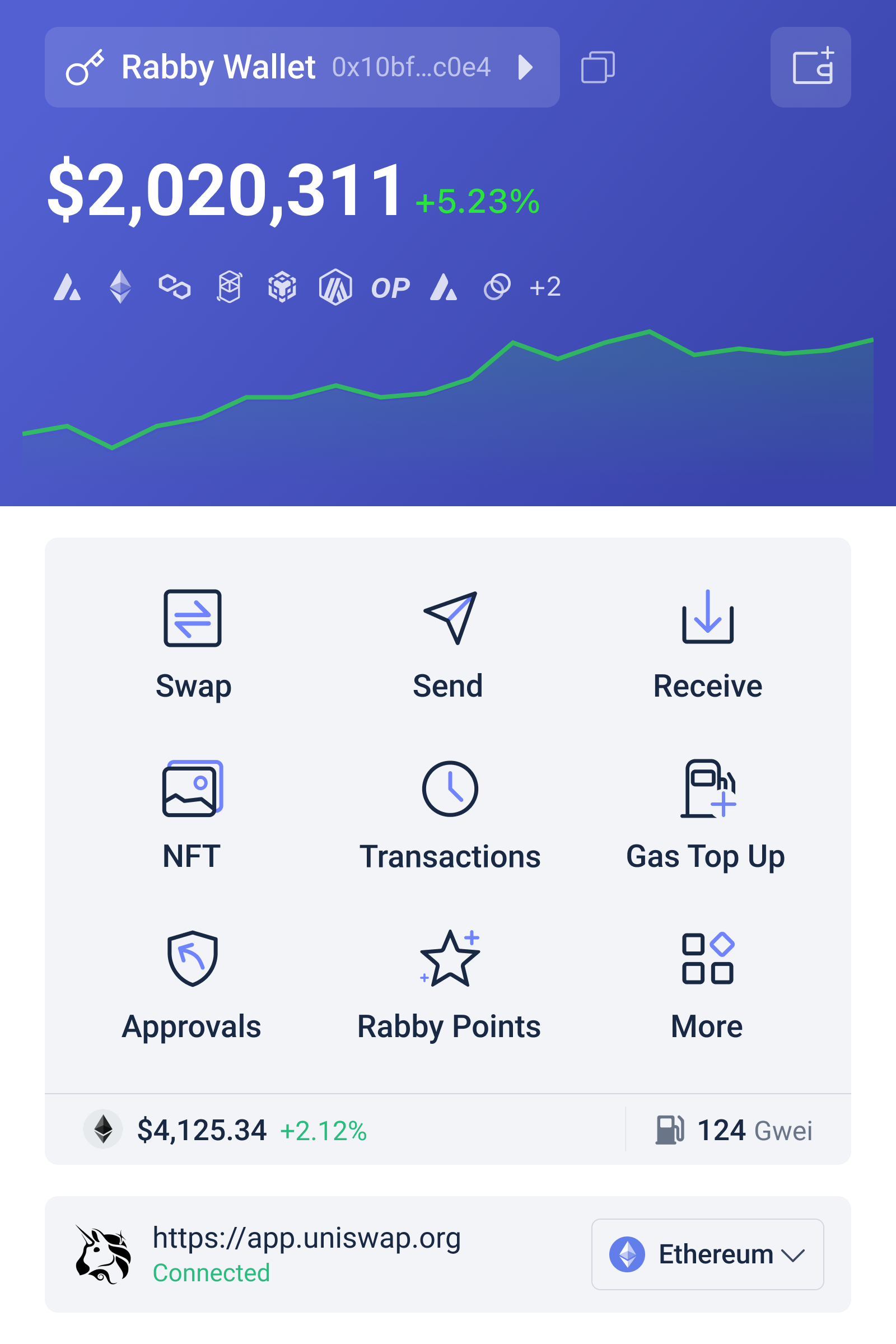
Categories
Uncategorized

Welcome to Online Spins Heaven

Discover the ultimate destination for online spins at Spins Heaven. Explore games, bonuses, and tips to make the most of your experience.

Your ultimate destination for thrilling online gaming experiences awaits you at Online Spins Heaven spins-heaven.com. In the vast universe of online casinos, players are constantly seeking exciting and rewarding options, and Online Spins Heaven emerges as a prominent contender. This article aims to dive deep into what makes Online Spins Heaven a haven for players looking for an adrenaline-pumping experience, exceptional bonuses, and top-tier games. If you are ready to elevate your gaming experience, you’re in the right place!

What is Online Spins Heaven?

Online Spins Heaven is a premier online casino that caters to players globally, providing an expansive selection of slots, table games, and live dealer experiences. The platform combines cutting-edge technology with an easy-to-navigate interface, making it accessible for both novice and seasoned players. With a commitment to fair play, excellent customer service, and lucrative bonuses, Online Spins Heaven stands out in the competitive online gaming industry.

The Variety of Games Offered

One of the standout features of Online Spins Heaven is its impressive game library. With thousands of options to choose from, players will find something that piques their interest. The games are categorized into various sections:

  • Slots: A wide range of classic, video, and progressive jackpot slots from leading software providers. Popular titles often include mythical themes, adventurous storylines, and captivating graphics.
  • Table Games: For fans of strategic gameplay, online poker, roulette, blackjack, and baccarat are available. Each game comes with various versions to keep the excitement alive.
  • Live Casino: Engage in real-time gaming with live dealers and interact with other players. The live casino section offers games like live blackjack and live roulette, providing an immersive casino experience from the comfort of your home.

Exciting Bonuses and Promotions

At Online Spins Heaven, bonuses and promotions play a significant role in attracting players. The platform understands the importance of rewarding its users. Here are some of the various promotions you can expect:

  • Welcome Bonus: New players are often greeted with generous welcome bonuses, which may include a match bonus on the first deposit and free spins on popular slot games.
  • Reload Bonuses: Existing players can take advantage of reload bonuses that provide additional funds for subsequent deposits.
  • Free Spins: Regular promotions offer free spins on selected games, giving players a chance to win without risking their funds.
  • VIP Programs: Loyal players are celebrated through VIP programs that offer exclusive bonuses, cashback, and personalized customer service.

Payment Methods and Security

Security is a priority for online casinos, and Online Spins Heaven takes this matter seriously. The platform implements advanced encryption technologies to protect players’ personal and financial information. Various payment methods are also available for deposits and withdrawals, including credit cards, e-wallets, and bank transfers. Some popular payment options include:

  • Visa
  • Mastercard
  • PayPal
  • Skrill
  • Neteller

The swift and secure transaction process allows players to focus more on their gaming experience rather than worrying about their deposits and withdrawals.

Customer Support at Your Fingertips

Customer support is paramount in the online gaming world. Players can encounter issues or have queries at any time, and Online Spins Heaven provides a comprehensive support system. Their team is available 24/7 through various channels, including:

  • Live Chat: Instant support for players who need quick assistance.
  • Email Support: For non-urgent inquiries, players can email the support team and expect a prompt response.
  • FAQs: A well-organized FAQ section addresses common questions and issues players may encounter.

Mobile Gaming at Online Spins Heaven

In today’s fast-paced world, mobile gaming has become increasingly popular. Online Spins Heaven recognizes this trend and offers a fully optimized mobile platform. Whether you’re using a smartphone or a tablet, you can enjoy a seamless gaming experience without downloading any apps. The website automatically adjusts to fit your device’s screen, ensuring you have access to your favorite games wherever you are.

Responsible Gaming Practices

Online Spins Heaven promotes responsible gaming, ensuring that players can enjoy their gaming experience without facing negative consequences. The platform provides several tools and resources to help players maintain control, including:

  • Deposit Limits: Players can set limits on the amount they deposit within a specific time frame.
  • Time-Out Periods: If players feel the need to take a break, they can utilize time-out options.
  • Self-Exclusion: For those who may require more extensive measures, a self-exclusion feature allows players to restrict their access to the platform for a designated period.

The emphasis on responsible gaming reinforces the integrity of the platform and its commitment to player welfare.

Conclusion

In conclusion, Online Spins Heaven offers a comprehensive and enjoyable online gaming experience. With an extensive game selection, unmatched bonuses, robust security measures, and dedicated customer support, it is clear why this platform is gaining popularity among players. Whether you are a seasoned gamer or a newcomer, Online Spins Heaven caters to all, ensuring an exciting and rewarding experience awaits every player. Ready to take the plunge? Join the thriving community at Online Spins Heaven today!